
🏆 PREMIUM 3D models | ⚙️ Functional equipment | 📉 Low prices without intermediaries |🚀 Fast download without viruses |🔒 Secure payment | 🛟 Tips and Tricks from the Designer
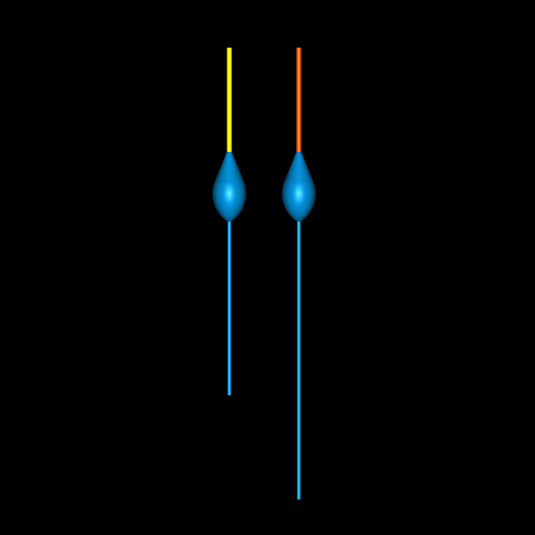
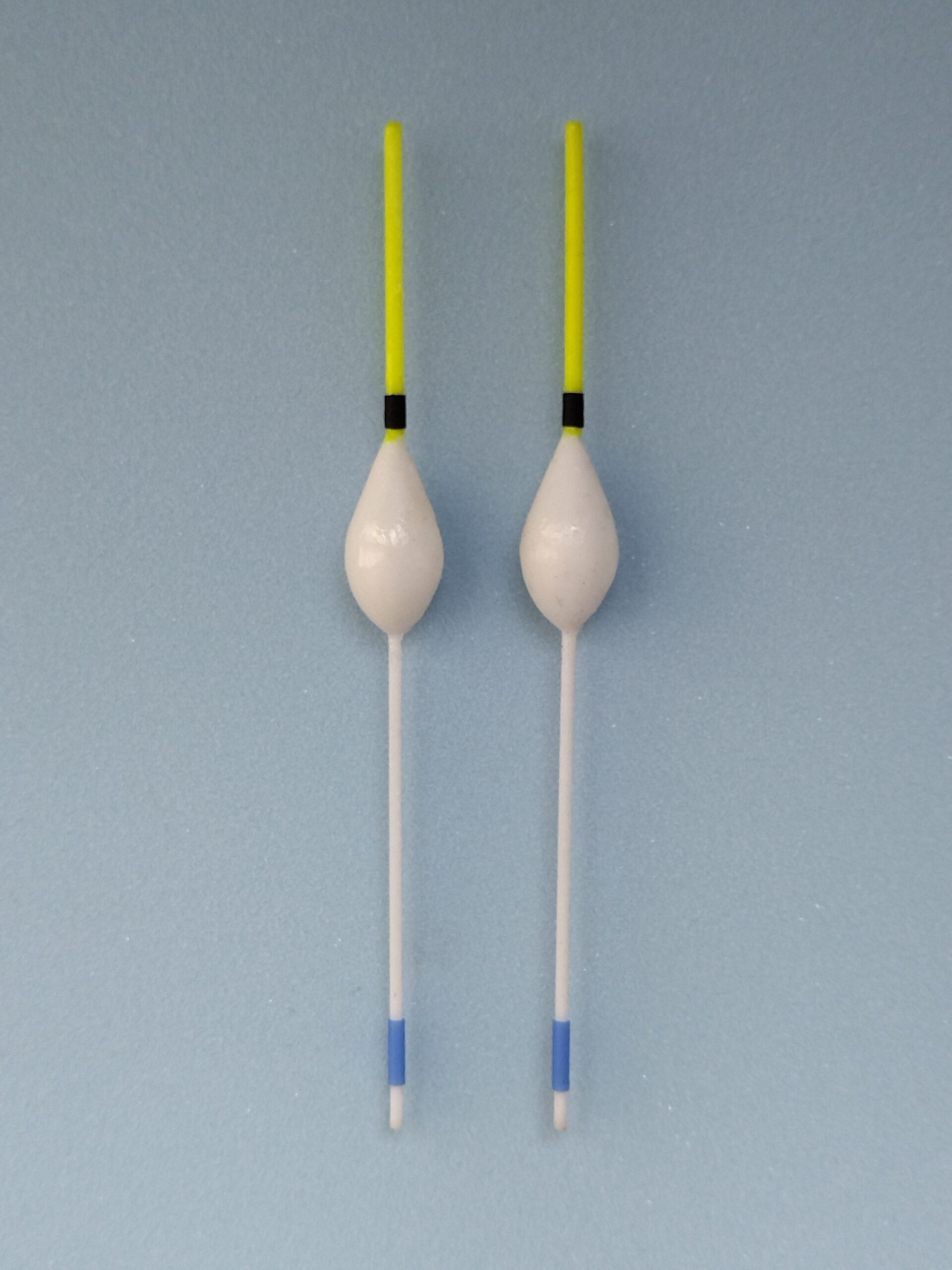
3Dpecheur fishing body down float |100 mm and 130 mm | PF1
Ball float, 3D-printable 3D water droplet, proven in rivers and the sea
🆔 N° DESIGN : 1111
⚙︎ Formats : STL
𐊵 Version : 1.0
⦸ No AI - No virus
© Licence : Apiobi UPPE / Personal and private use only
1,90 €
- Premium quality
- Low prices direct from the designer
- VAT 0% : VAT not applicable, Art. 293 B of the French General Tax Code
- Secure payments
Description
I've been fishing with self-made floats for a long time, and now I only fish with 3D-printed floats.
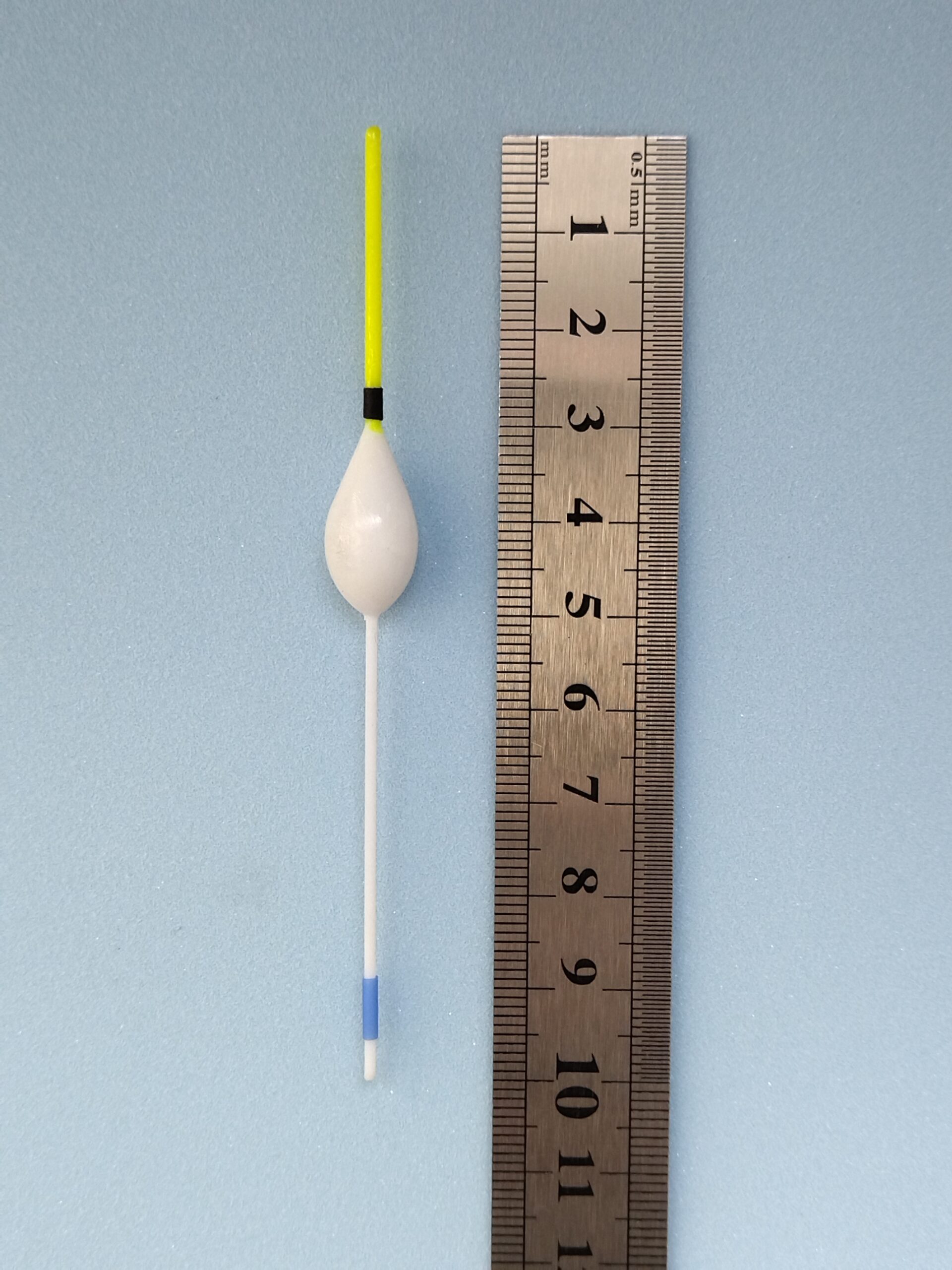
I designed this 100 mm float with a 1.6 mm antenna and a 1.2 mm keel.
Its buoyancy is excellent, as is its sturdiness.
Weight : about 0,3 g, depending on post-print finishes and filling.
Simply add a segment of silicone to the antenna and one or two to the keel.
Added 12/2024:
A 130 mm body-down ball float“, identical design, with a 80 mm keel.
For the price indicated, you can download the 2 sizes, 100mm and 130mm.
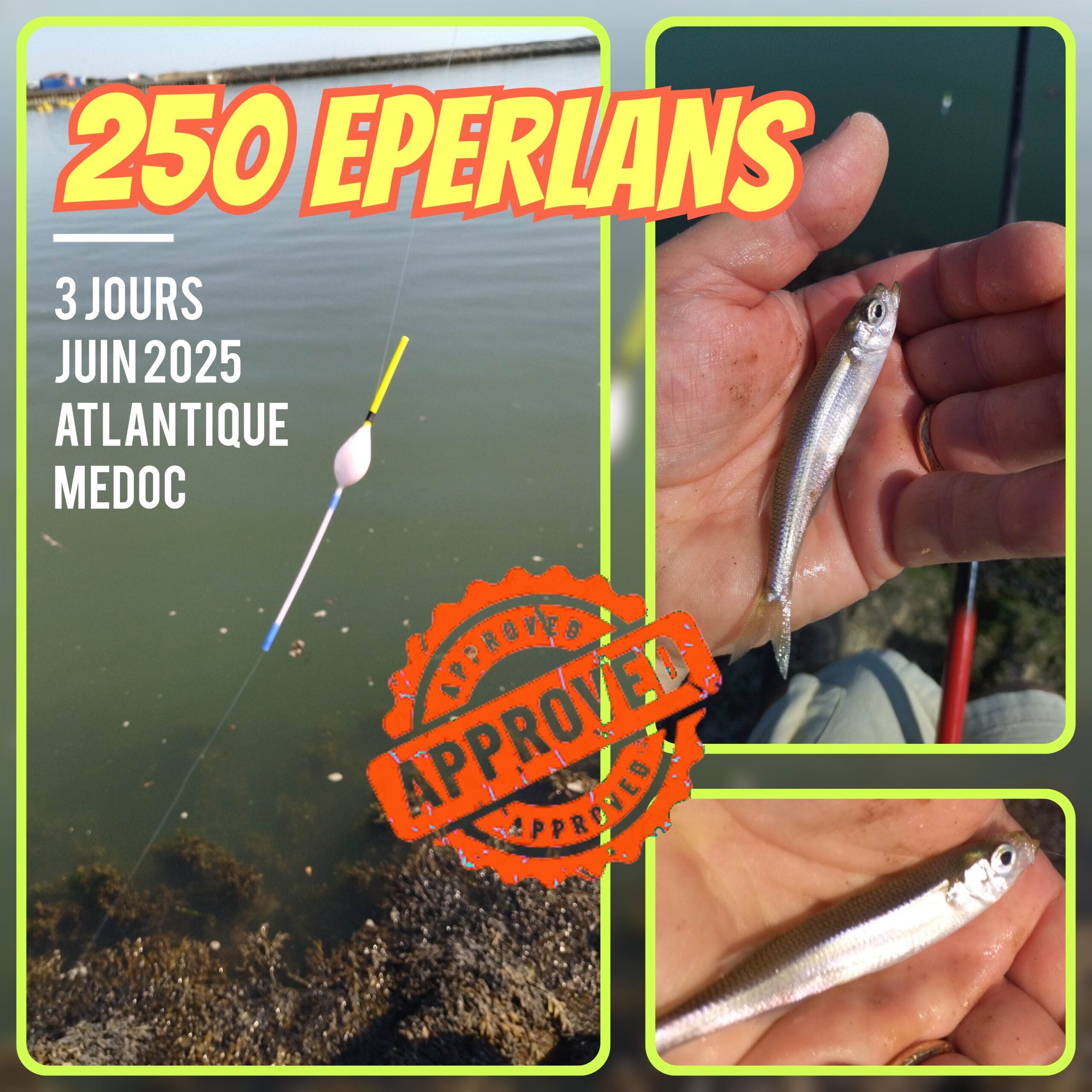
NEW - June 2025 - SEA TESTS
We used this float for smelt fishing on the Médoc Atlantic coast (France).
The results were exceptional, despite the heatwave (over 37°C) and low tidal coefficients (+/- 50):
➡️ 250 smelts in 3 days, caught by a single fisherman.
Neither heat nor large mullets damaged this float. It proved highly efficient, sensitive and robust, even with the constant wind from the ocean.
I gave some to other fishermen, who were amazed to see that a 3D printed float can produce such results.
If you've ever printed something that needed to be watertight - such as a vase or a float - you know that this requires perseverance and special settings in your slicer and on your printer.
But I assure you, there is no there's nothing more rewarding than catching a fish with a float you've printed yourself.
My models are designed for the’3D FDM printing. They are designed to meet the specific needs of anglers, and each one is designed, printed and tested several times under real-life conditions until you achieve optimum results.
Technical Tips for 3D Printing
To be watertight and solid, the walls must not be less than ~1.2 mm thick, with a minimum of 3 layers.
Filling : 0%
PETG is both resistant and flexible; clear or white PETG is perfect for this type of float.
The keel is rigid yet slightly flexible thanks to PETG.
Nozzle : 0.4 mm max
Layer height : ~0.12 mm
The float must be printed flat with supports and can/should (depending on your slicer and printer) be spaced ~1 mm apart in Z to prevent the base of the sphere from directly touching the platen and flattening out.
If you're using a white filament like in my photos, simply apply a fluorescent paint or varnish to the antenna, then varnish the whole thing with a matt acrylic varnish, for example. The float can also be painted or varnished to obtain a fluorescent or matt color. The varnish turns your print into a standard float and helps seal any micro-holes.
This is the method I use, but you'll get excellent results with your usual settings for your favorite slicer and post_print finishes.
The floats you see in the videos and/or photos have been printed from the STL files you are about to download. They were deliberately tested on an original Ender 3 Pro, fitted with a BLTouch and PEI tray, to demonstrate that :
1/ my models are really FDM printable,
2/ they work perfectly on the majority of 3D printers on the market, without requiring the latest technology.
If printing is excellent on an Ender 3, it will also be excellent on your machine.
Only logged-in customers who have purchased this product can leave a review.
Questions & Technical Discussions
Ask a question about this 3D model
Vous devez être connecté pour poser une question.
You may also like…
-
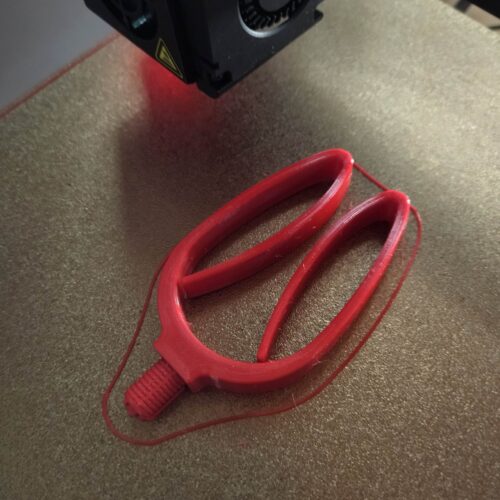
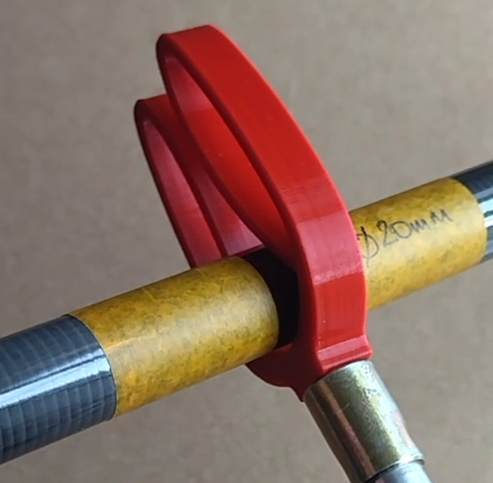
Lotus‘ cane holder | MEDIUM size | 3Dpecheur cane holder
-
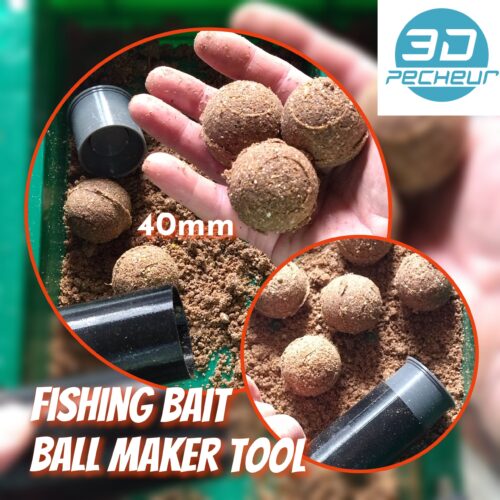
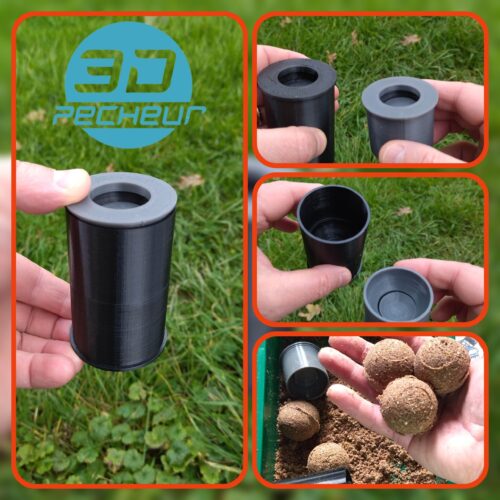
Bait ball press - BAIT BALL PRESS Ø40 mm | Carp fishing | Print in place - BBP40
-
Cane holder ‘Lotus’ | LARGE size | 3Dpecheur cane holder
-
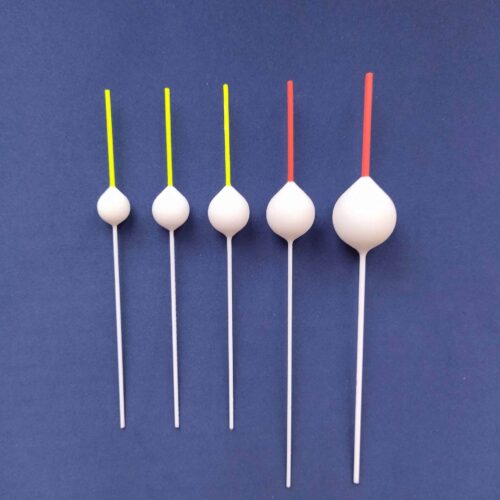
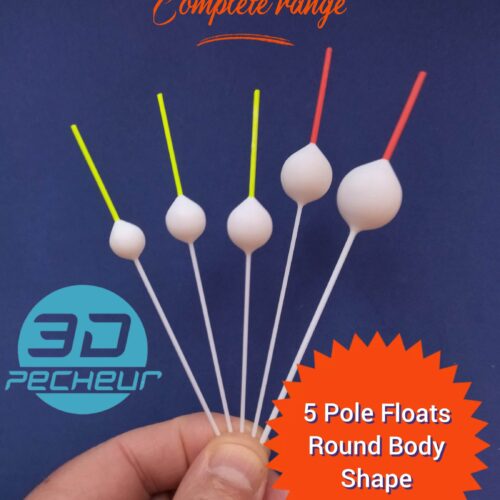
Complete range of 5 round ‘ball’ floats | RSPF1 to RSPF5
-
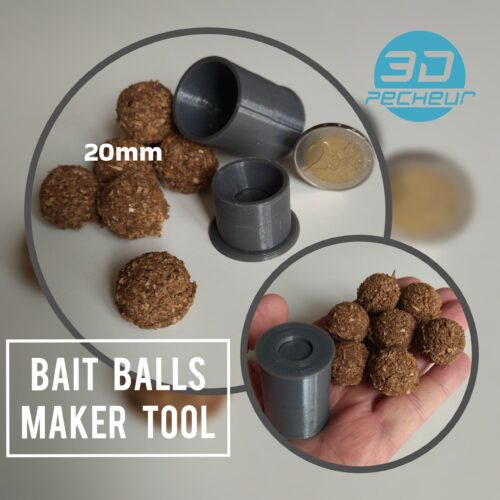
Bait ball press - BAIT BALL PRESS Ø20 mm | Carp fishing | Print in place - BBP20
Related products
-
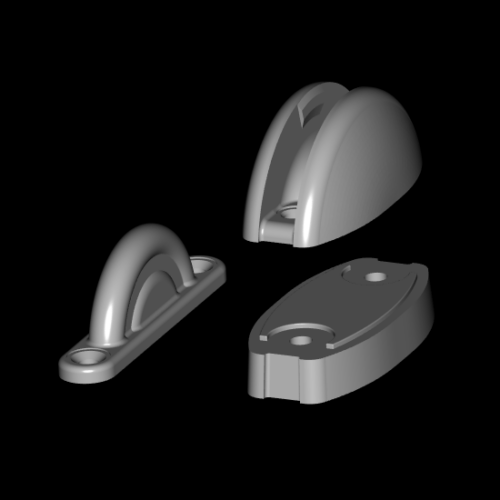
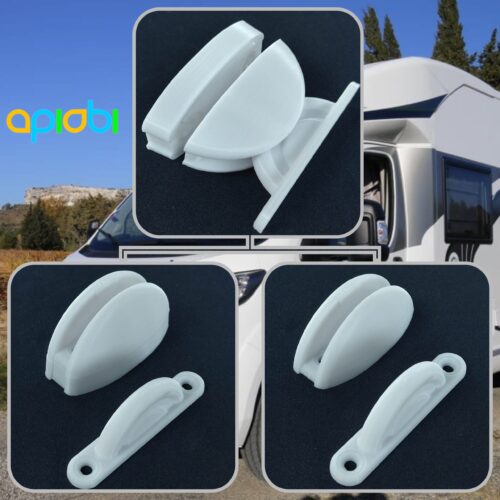
Plopp« compatible doorstop 60 mm | Motorhome, van, caravan
-
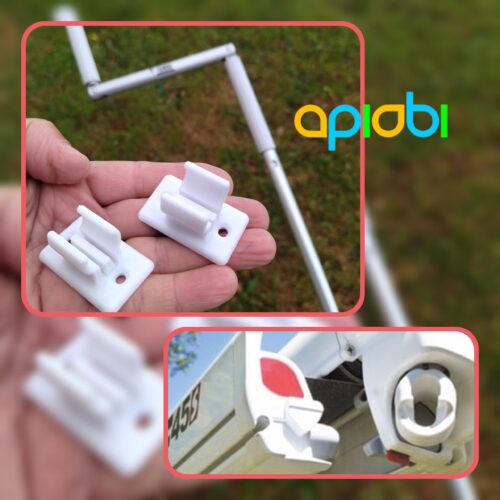
Wall installation kit for FIAMMA awning crank handle | Clips, FIAMMA wall brackets, spare parts for motorhomes
-
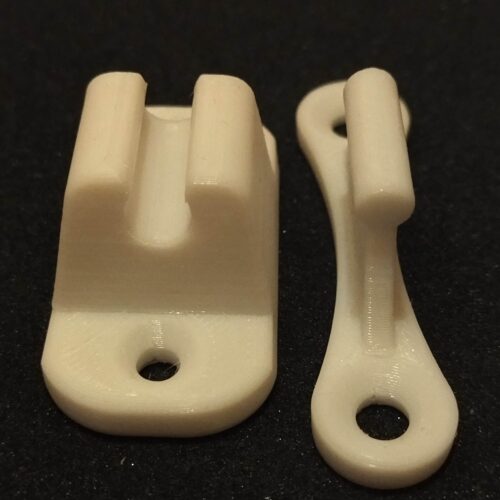
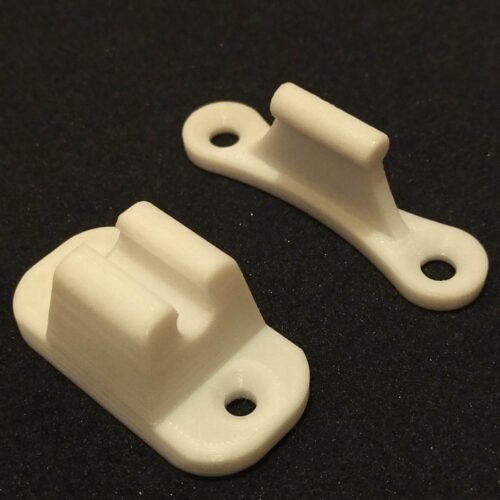
Classic door check - Male and female door latch for motorhomes, caravans, recreational vehicles - Spare parts | Bloque, bloc-porte van et fourgon aménagé
-
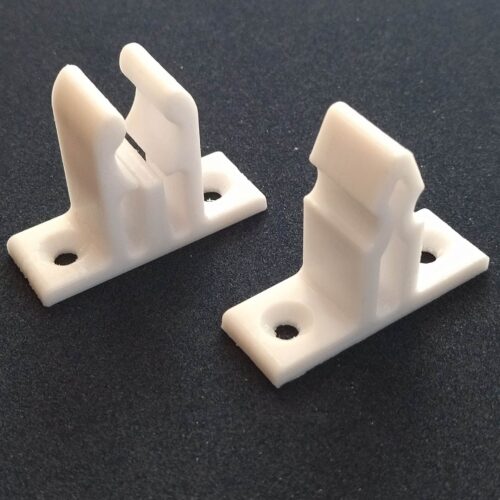
![Long reach door latch [arrowhead] caravan - motorhome - recreational vehicle - horse trailer - boat](https://apiobi.com/wp-content/uploads/2026/02/Long-door-retainer-catch-motorhome-campervans-van-boat-garden-gate-3D-STL-DIY-scaled-500x500.jpg "Long-door-retainer-catch-motorhome-campervans-van-boat-garden-gate-3D-STL-DIY")
Long reach door latch [arrowhead] caravan - motorhome - recreational vehicle - horse trailer - boat
-
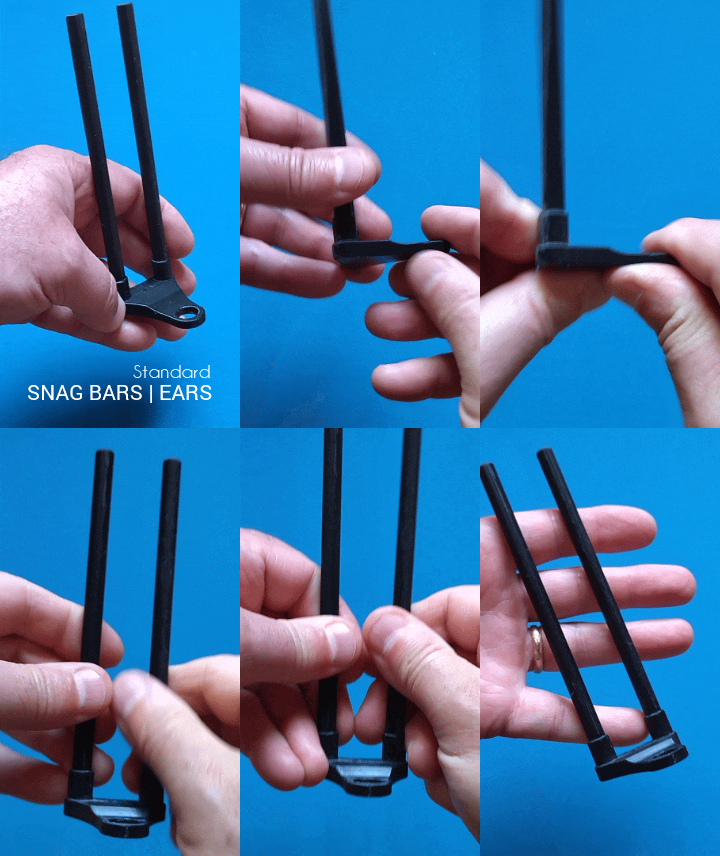
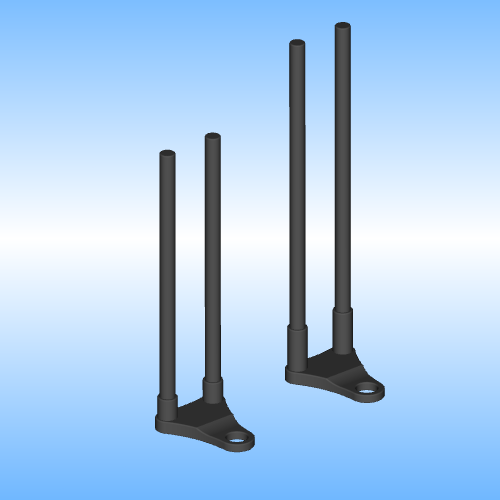
Set of SNAG BAR 135mm and 165mm | Snag Ears | Carp fishing | Print-in-place
-
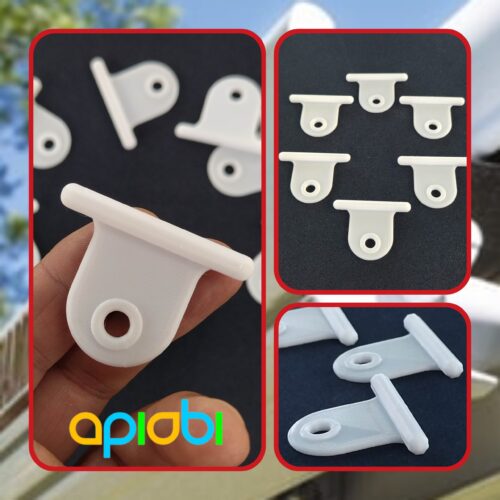
Awning hook for motorhomes, caravans, vans and recreational vehicles.
-
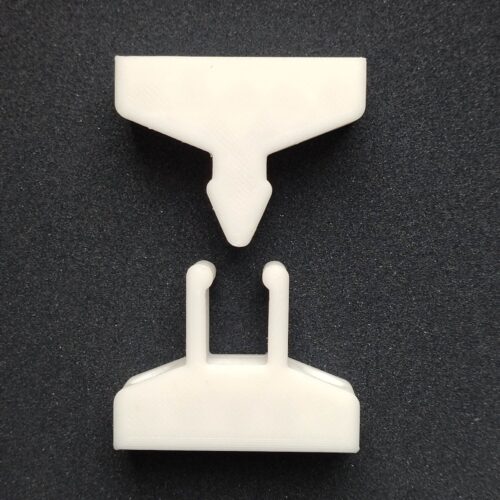
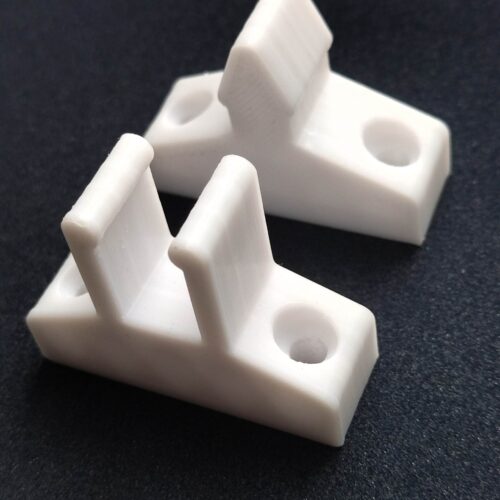
CHANTAL« type door stopper for motorhomes / caravans / vans - Complete exterior door block for recreational vehicles
-
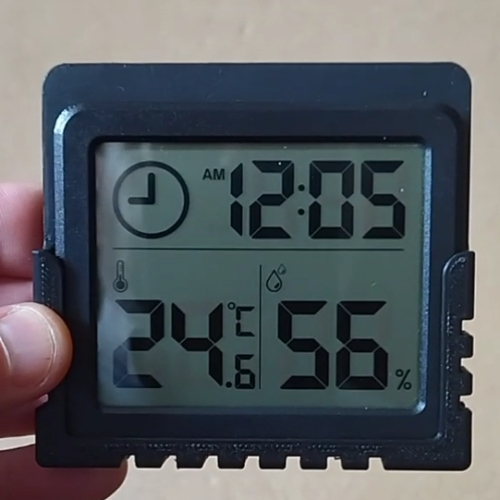
Wall bracket for clock / thermometer / hygrometer / multifunction monitor | Wall bracket for indoor temperature and humidity sensor
-
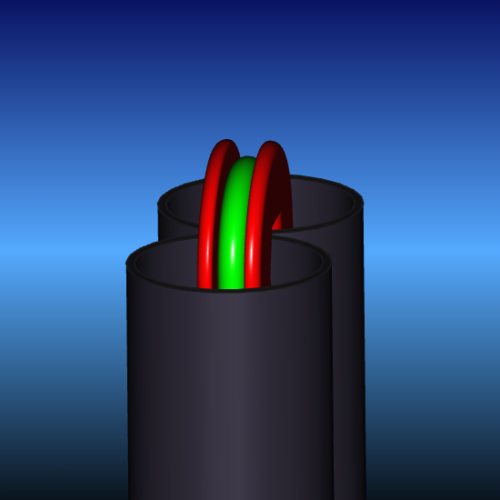
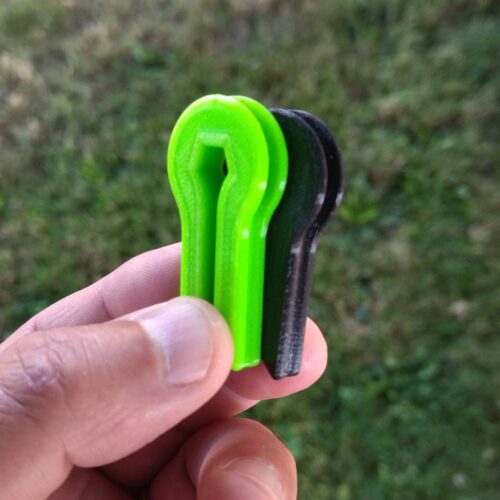
Top kit rig clip | ∅ 2.9 mm max | TKRC029
-
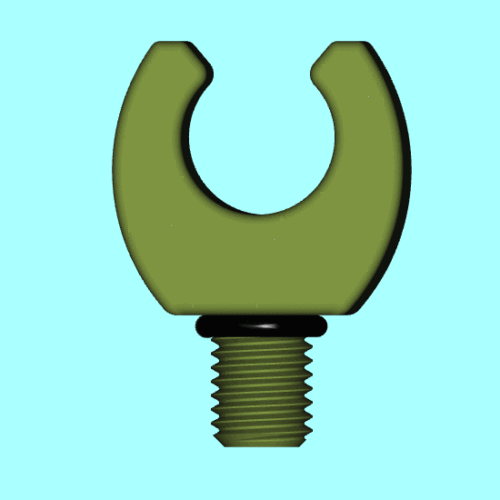
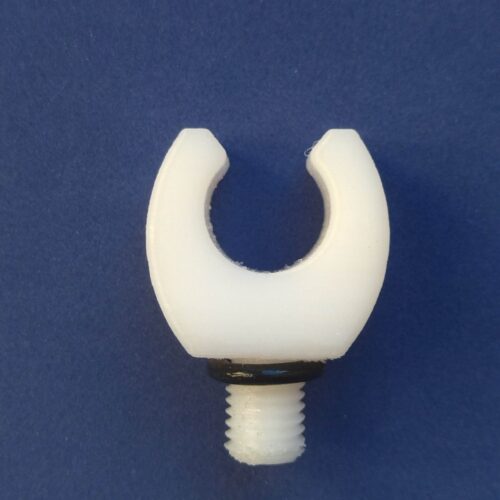
Butt Grip Small 3Dpecheur rod holder | CARP fishing | BGR1
 Français
  English
  Español
Reviews
There are no reviews yet.