
🚀 Download Platform | 🔒 Secure Payment | ⚙️ 3D Files for Recreational Equipment | 🏆 3D Models Designed for Additive Manufacturing | 2D, 3D, STL, SVG, PDF... | ❤️ Core Values | 💬 Tips, Tricks, and Discussions
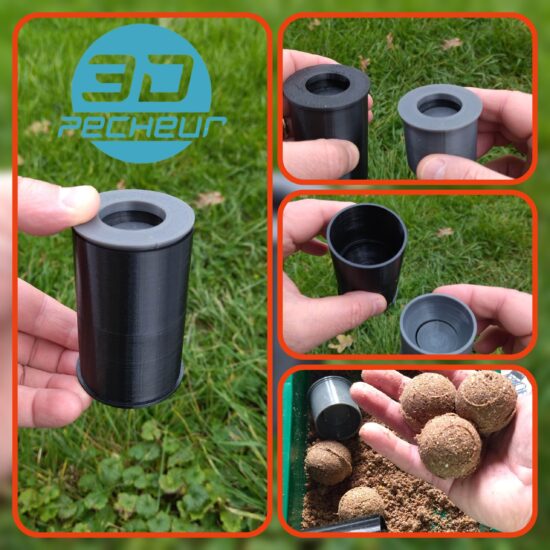
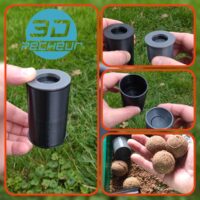
Bait ball press – BAIT BALL PRESS Ø 40 mm | Carp fishing | Print in place – BBP40
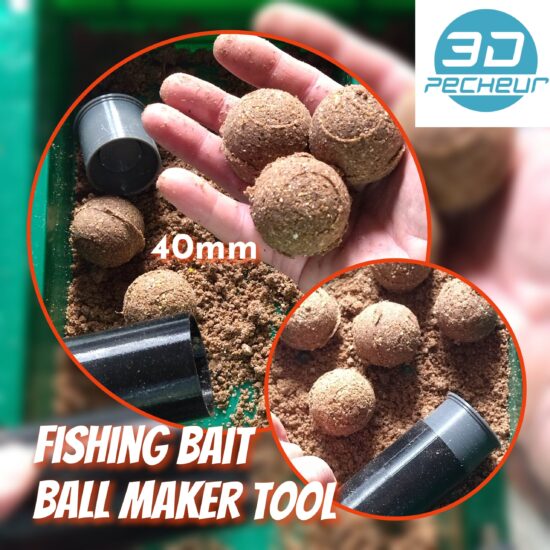
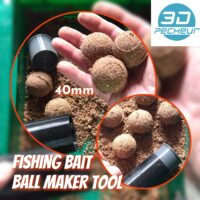
Press 40mm diameter primer balls from flours or moistened pellets - 3Dpecheur model
🆔 Design No 573
⚙︎ Formats : STL
𐊵 Version : 1.2
⦸ No AI - No virus
© Licence : Apiobi UPPE / Personal and private use only
8,11 $
- Premium quality
- Low prices direct from the designer
- Instant Download
- Secure payment with no minimum purchase required
Description
Press for making 40 mm diameter groundbait balls for carp and groundfish.
The design of this ball press has been carefully studied:
-
to be 3D-printable, even with PETG
-
to be sturdy and durable
-
to withstand the strong pressure exerted by two impatient fishermen’s hands 😉
-
to make balls!
It is printed in just two parts, each of which includes a built-in ball-ejection mechanism.
This means it can be 3D-printed using the “print-in-place” method.
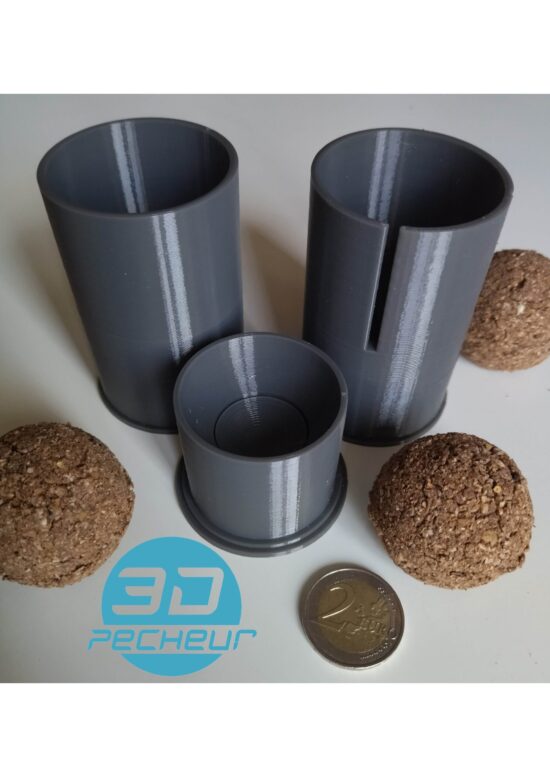
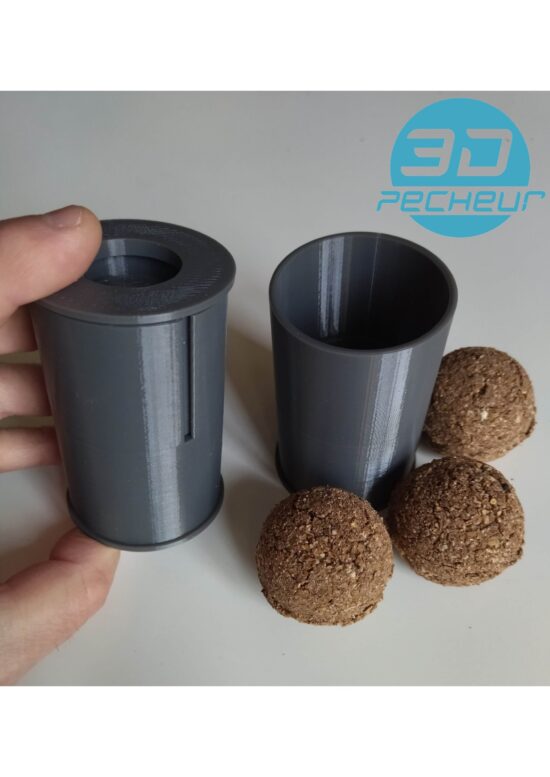
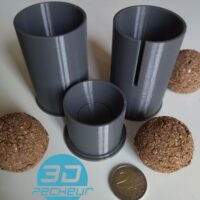
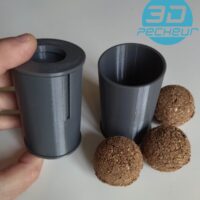
For the listed price, you get a complete premium kit consisting of 3 parts, allowing you to create 2 different models of bait ball dispensers:
-
A model with a side slit for inserting hooks or small feeders into the ball
-
A one-piece swimsuit with no cutouts
My designs are intended for FDM 3D printing. They are tailored to meet the specific needs of anglers. They have been designed, printed, and tested repeatedly in real-world fishing conditions until optimal results were achieved.
Technical Tips for 3D Printing
Numerous tests were carried out before obtaining this 3D printable model in PETG, without support, with the internal mechanism already included in the part.
PETG recommended, ABS, ASA, PLA+.
There's no need to fill to 100%, but I recommend opting for a percentage that will support the inside of each piston, around 30% with a cubic fill for example.
Can be printed with a 0.6 mm nozzle (in my case)
At least 3 wall thicknesses
💡 Tip: once the part has been 3D printed, the mechanism may remain stuck. This is normal, don't panic 🙂
The solution is simple: use a cylindrical object with a flat edge slightly smaller than the moving part, and tap it with short, sharp strokes.
Even if you print in PETG, the part will regain its freedom... that's what tolerance is for!
Reviews
There are no reviews yet.
Only logged-in customers who have purchased this product can leave a review.
Questions & Technical Discussions
Vous devez être connecté ou inscrit pour poser une question.
To round out your gear...
-
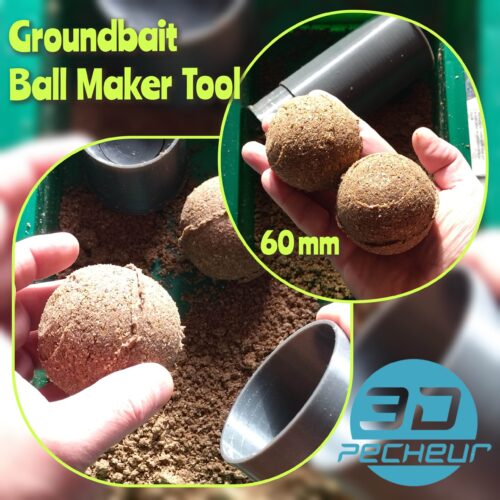
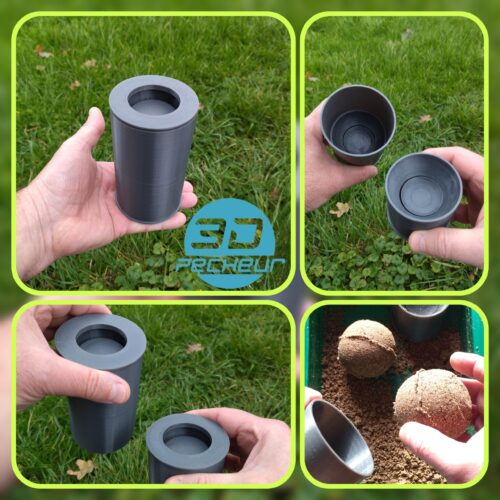
Bait ball press – GIANT BAIT BALL PRESS Ø 60 mm | Carp fishing | 3D printed – BBP60
-
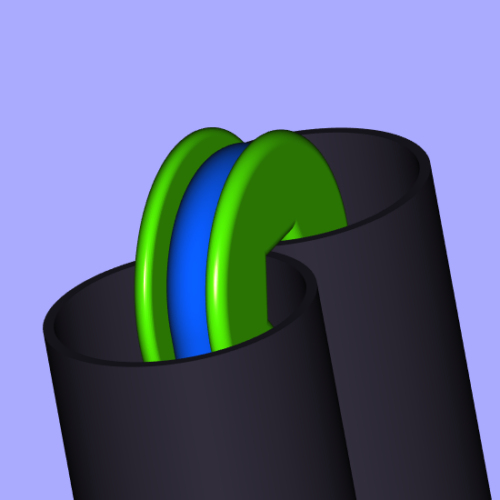
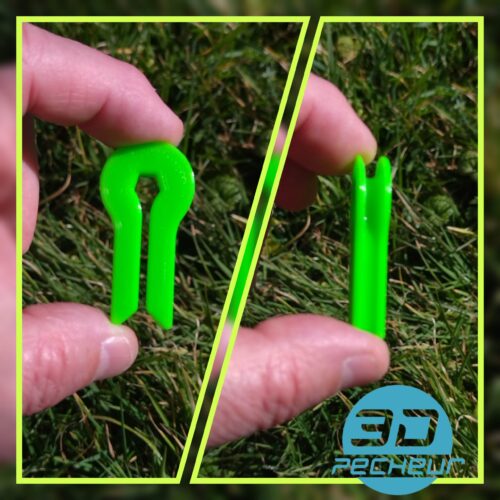
Top kit rig clip | ∅4 mm max | TKRC004
-
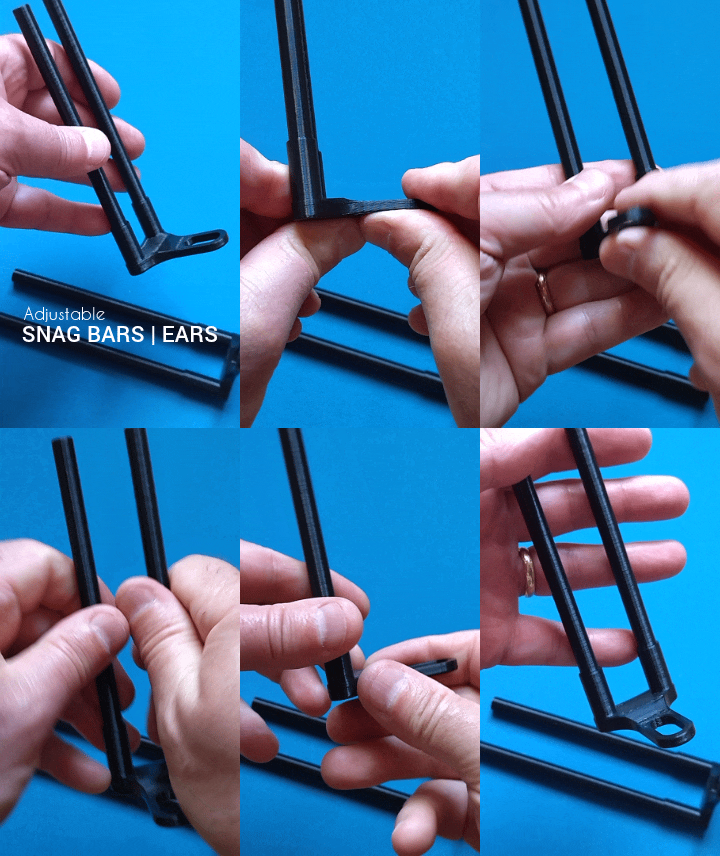
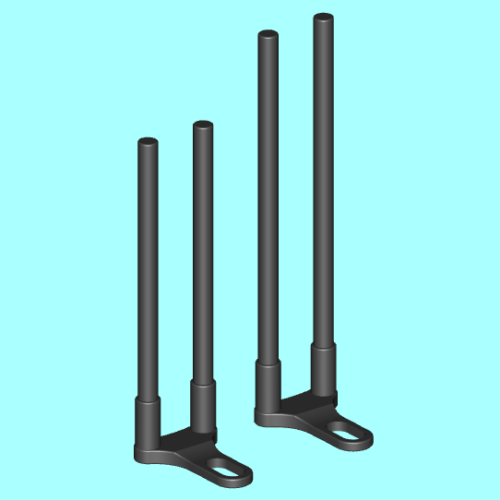
Adjustable SNAG BAR set 135mm and 165mm | Snag Ears | Carp fishing | Print-in-place
-
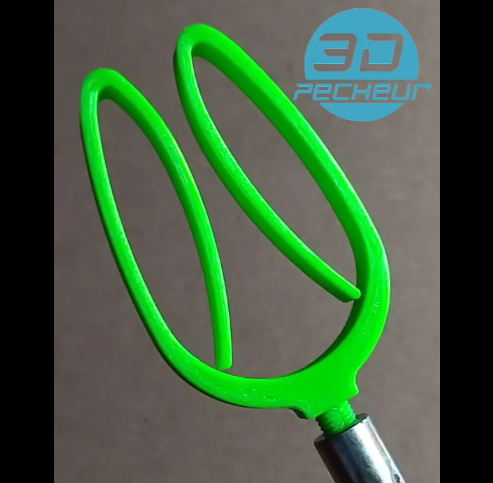
‘Lotus’ fishing rod rest| LARGE | 3Dpecheur
-
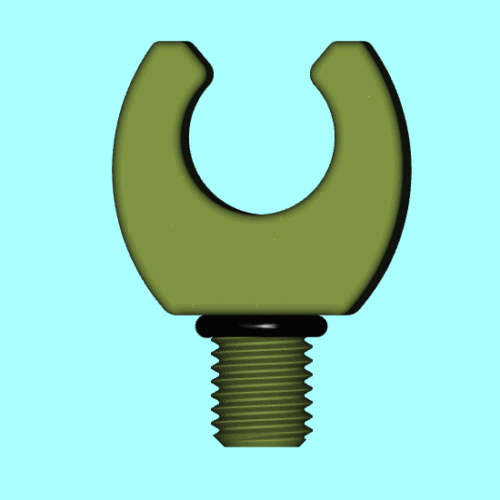
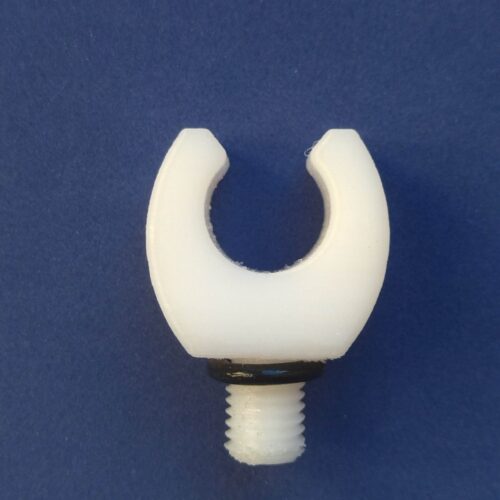
Butt Grip Small 3Dpecheur rod holder | CARP fishing | BGR1
-
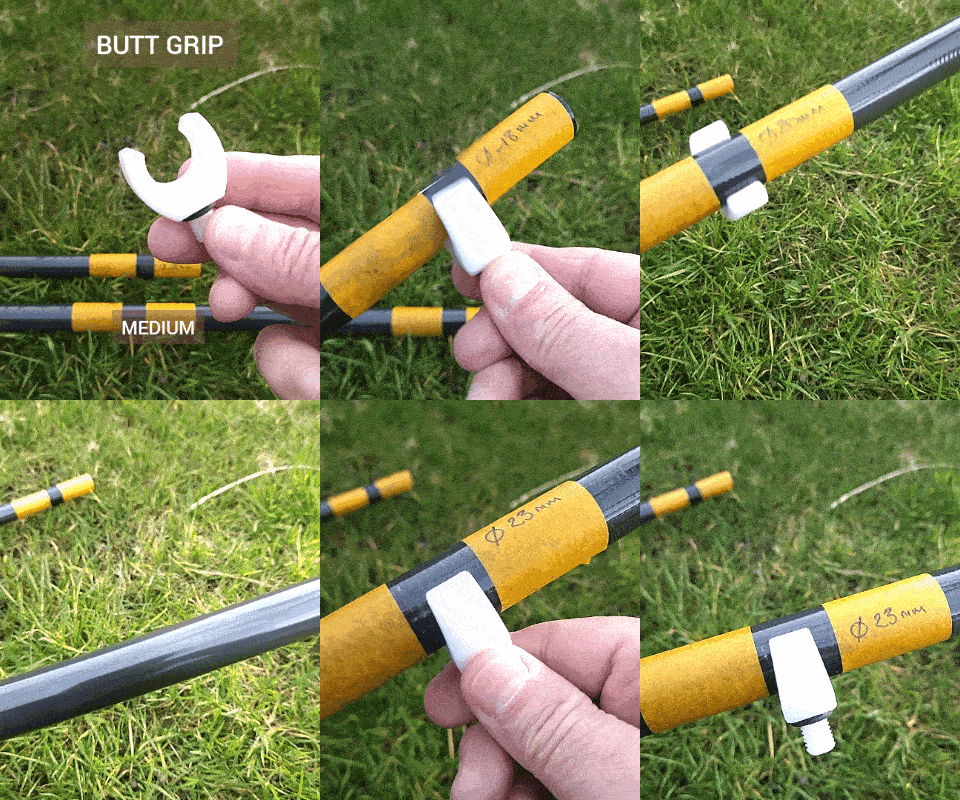
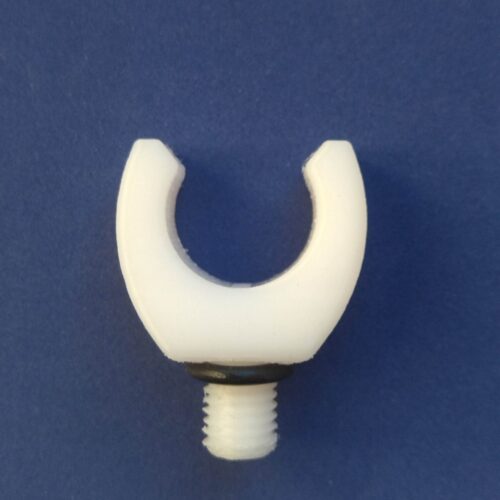
Butt Grip Medium 3Dpecheur rod holder | CARP fishing | BGR2
-
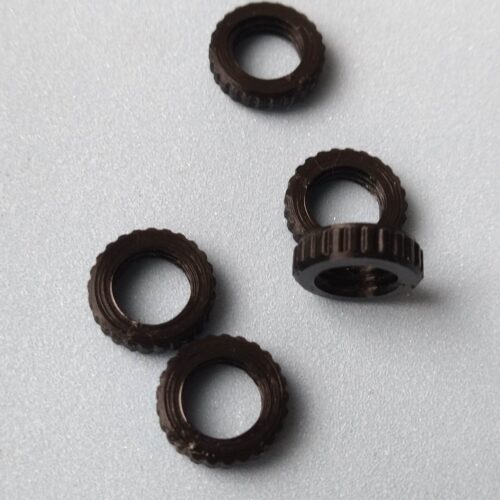
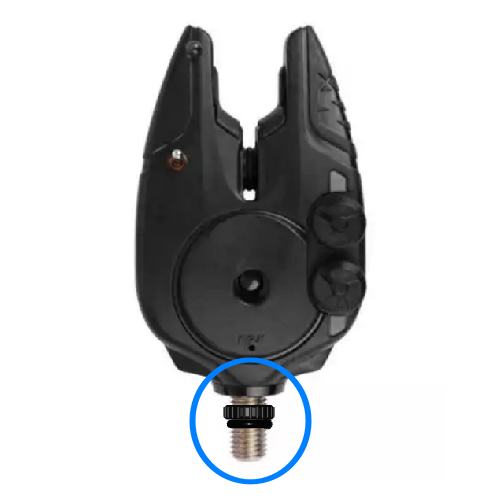
Locking nut 3Dpecheur | STANDARD | Carp Fishing Locking Nut
-
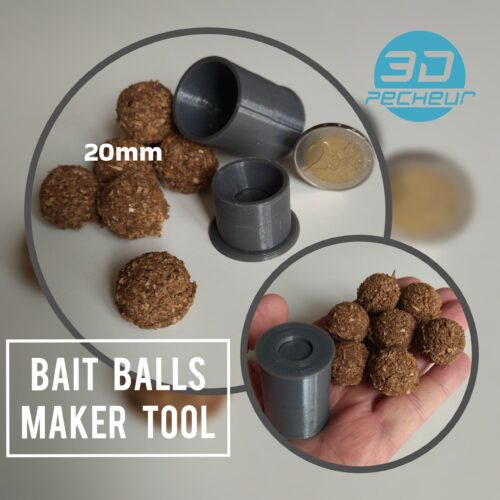
Press for making Ø 20 mm groundbait balls | Fishing and Baiting | BBP20
-
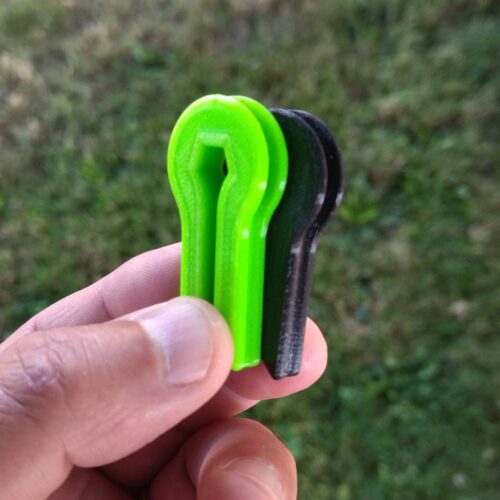
Top kit rig clip | ∅ 2.9 mm max | TKRC029
-
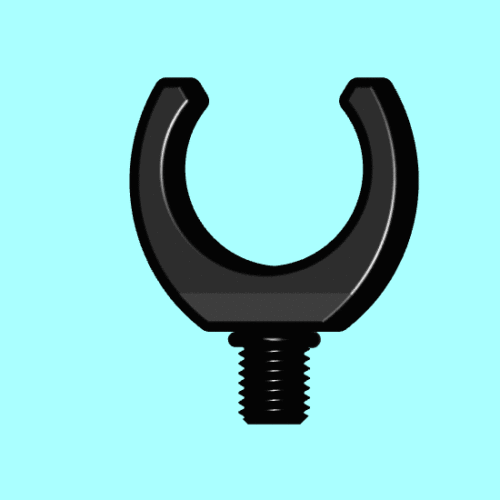
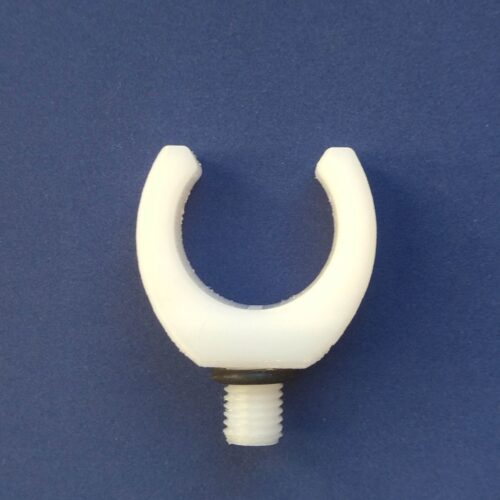
Butt Grip Large 3Dpecheur rod holder | CARP fishing | BGR3
You might also like
-
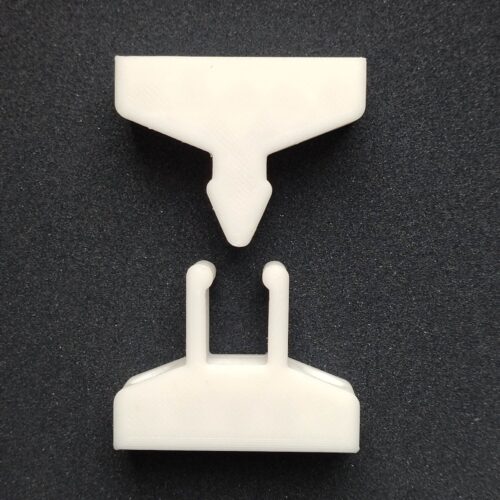
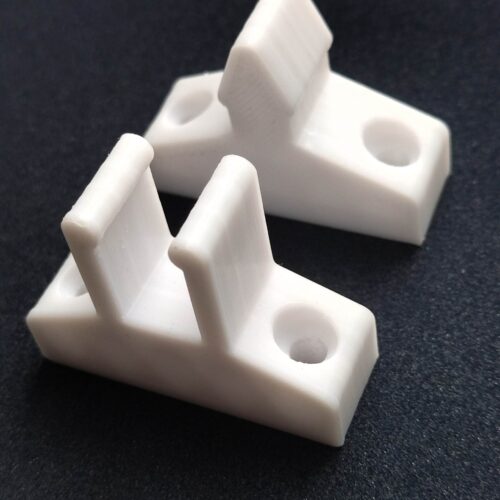
«CHANTAL» Door Stop for Motorhomes, Travel Trailers, and Vans – 3D-Printable Door Stop
-
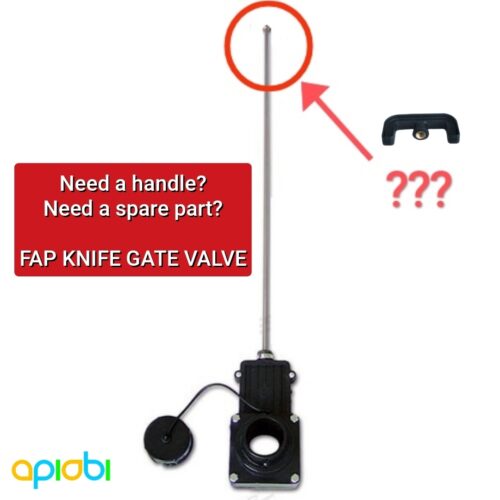
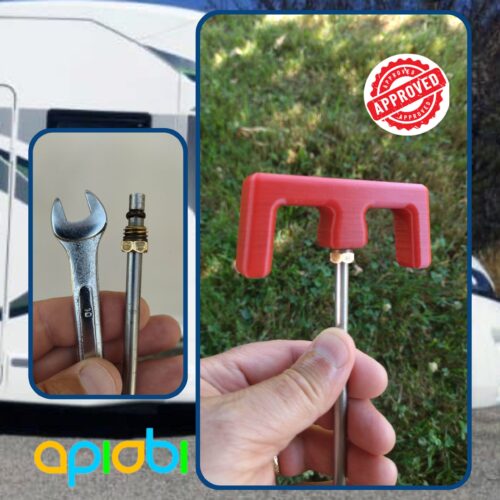
Classic knife gate valve handle FAP | FAHA002
-
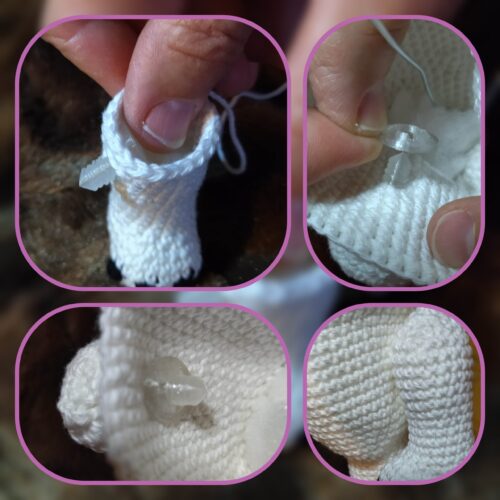
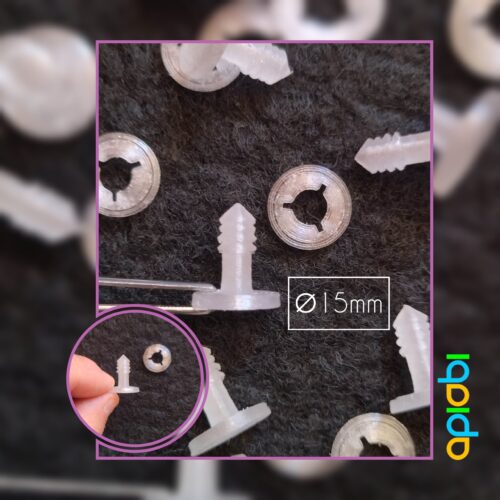
Safety joints for teddy bears, dolls, amigurumi | diameter 15 mm
-
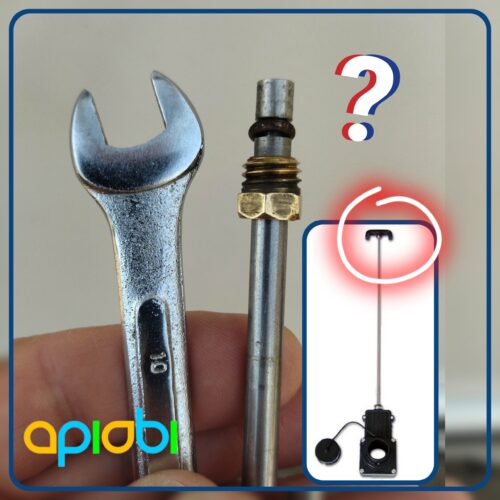
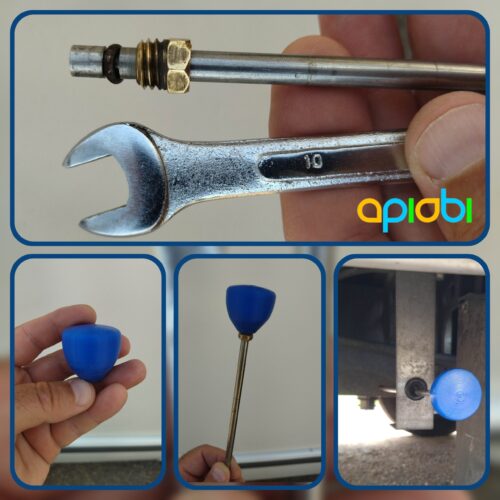
Round handle for knife gate valve FAP | Spare part for waste water tank for motorhome, caravan, van | FAHA001
-
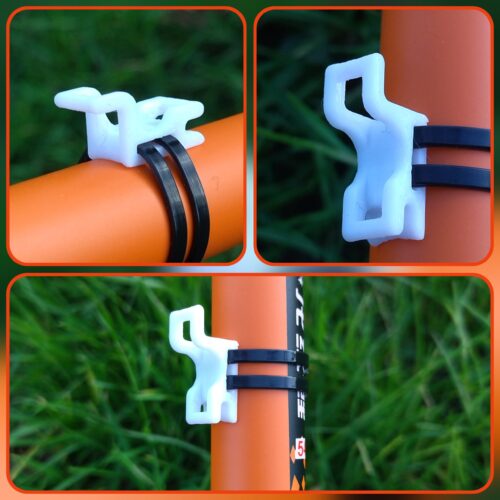
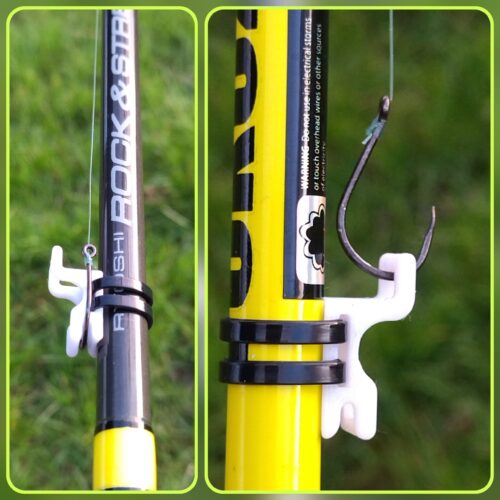
3Dpecheur Lure Holder | Secure hook holder for attachment to a fishing rod | RHK2
-
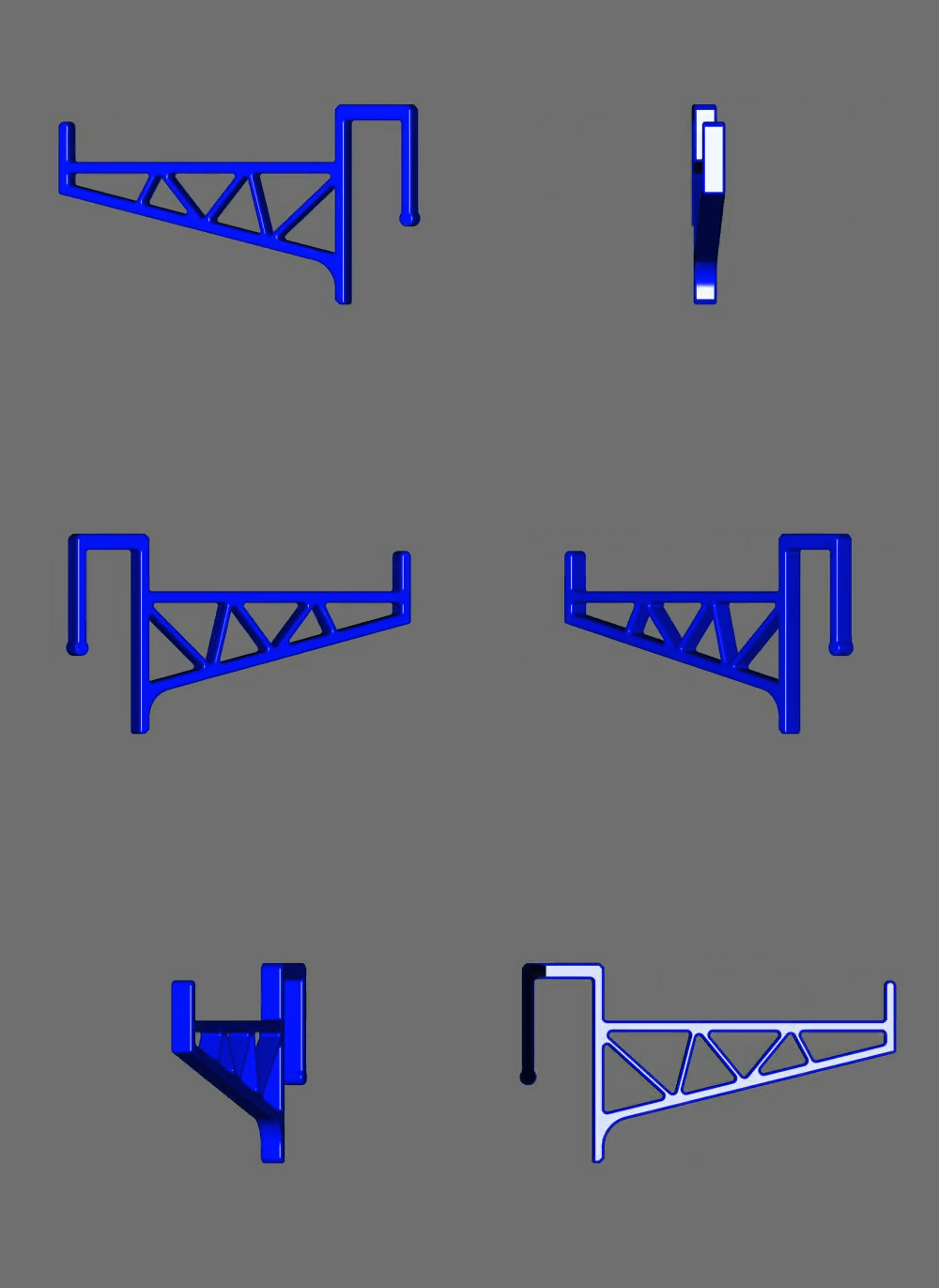
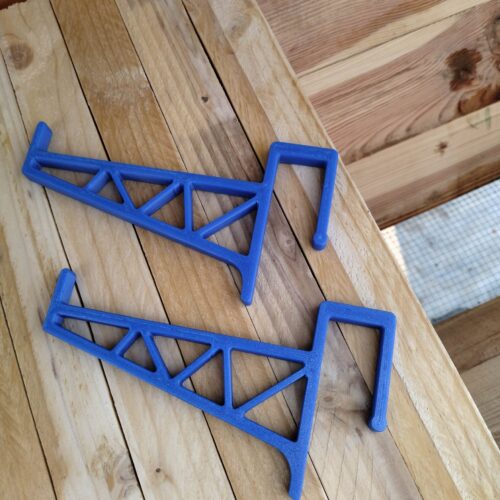
3D printed beekeeping tool for all types of hives | SCL-001
-
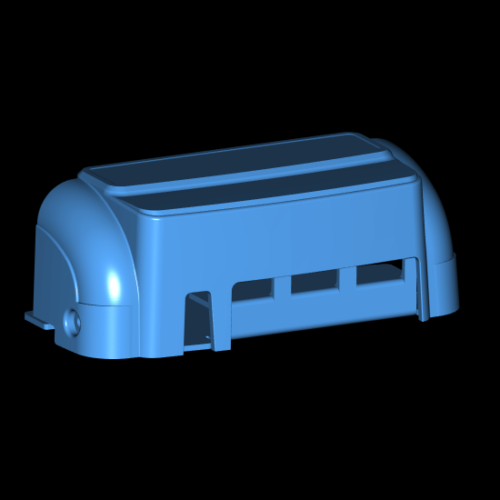
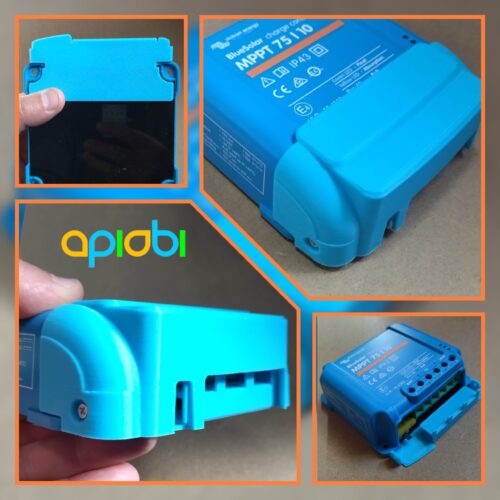
Protective housing for Victron Energy MPPT 75 | 10 & 75 | 15 - Solar charge controller BlueSolar / SmartSolar
-
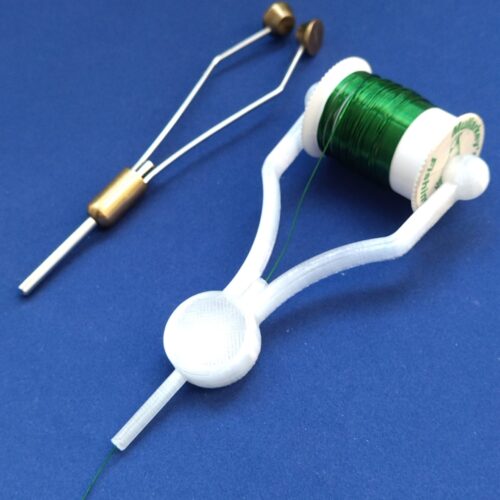
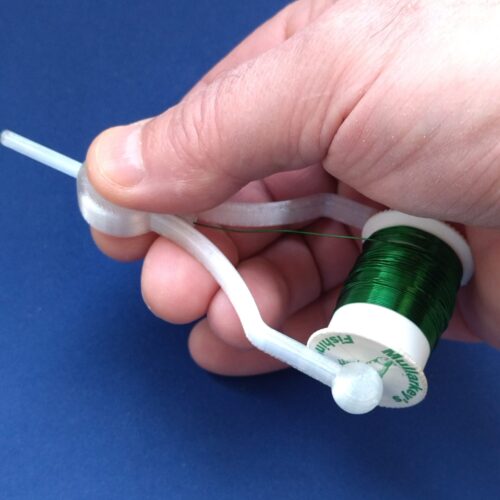
MAX reinforced fly tying/streamer bobbin holder - FTBD2
-
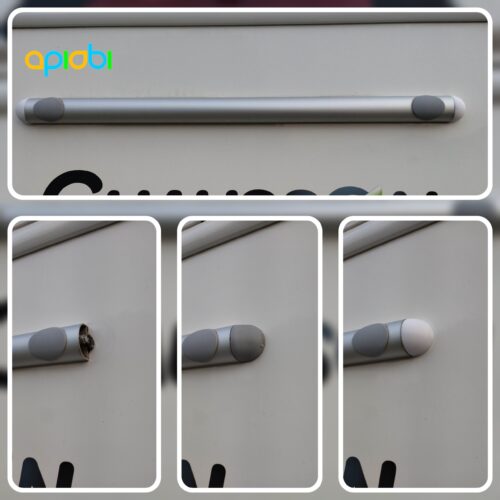
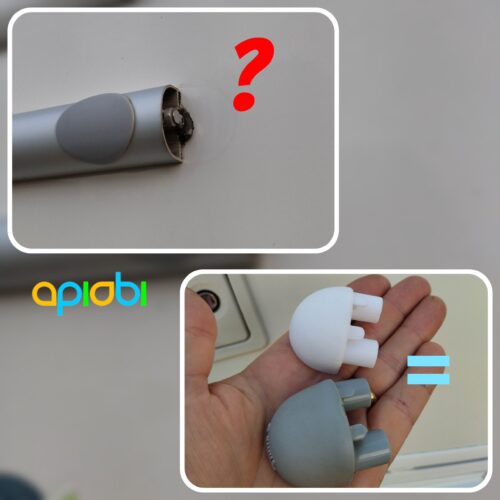
End cap, bike carrier end cap Fiamma - Durable replacement for motorhomes, vans and recreational vehicles
-
T-shaped door retainer for motorhomes and recreational vehicles | Arrowhead door check
 Français
  English
  Español
Aucune question pour le moment.