
🚀 Download Platform | 🔒 Secure Payment | ⚙️ 3D Files for Recreational Equipment | 🏆 3D Models Designed for Additive Manufacturing | 2D, 3D, STL, SVG, PDF... | ❤️ Core Values | 💬 Tips, Tricks, and Discussions
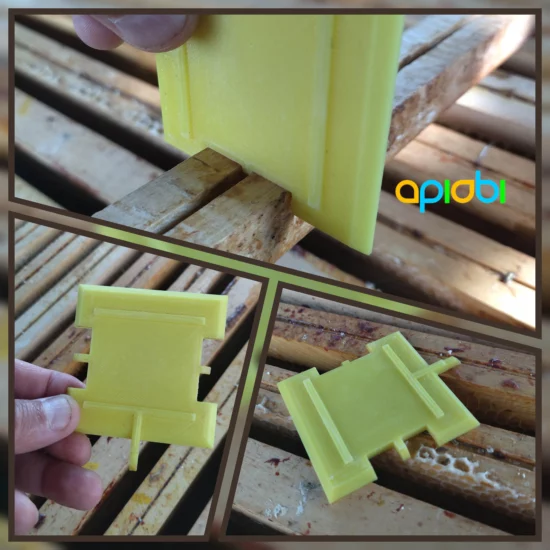
Frame Groove Scraper | 4-in-1 Cleaning Tool | 3D Beekeeping
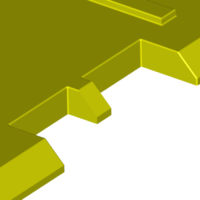
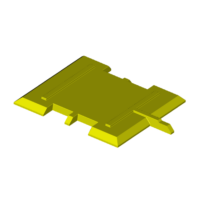
4-in-1 3D-printable scraper for cleaning the grooves in top bars of all types of beehive frames. An ApiObi innovation for 3D beekeeping.
🆔 Design No 3094
⚙︎ Formats : STL
𐊵 Version : 2.0
⦸ No AI - No virus
© Licence : Apiobi UPPE / Personal and private use only
4,41 $
- Premium quality
- Low prices direct from the designer
- Instant Download
- Secure payment with no minimum purchase required
Description
In theory, the width and depth of the groove are nearly identical across all top bars of standard beehive frames (Dadant body and super, Langstroth, Voirnot, Layens, Warré…), since they are based on the standard thickness of embossed wax foundation sheets, which ranges from 2 to 2.8 mm. Only the length of the groove varies to accommodate the frame size.
In practice, a beekeeper is faced with varying groove depths because, in every case, they have:
- old or locally manufactured frames with grooves ranging from 4 mm (sometimes less) to more than 8 mm,
- recent or new frames of standard sizes, 5 to 8 mm deep,
- and frames that, after being repeatedly cleaned and scraped with screwdrivers and other inappropriate tools (I know, I used to do the same thing!), have developed a groove that’s “unusual,” to say the least. .
Apiobi, Designer AND User: How is our 4-in-1 scraper designed?
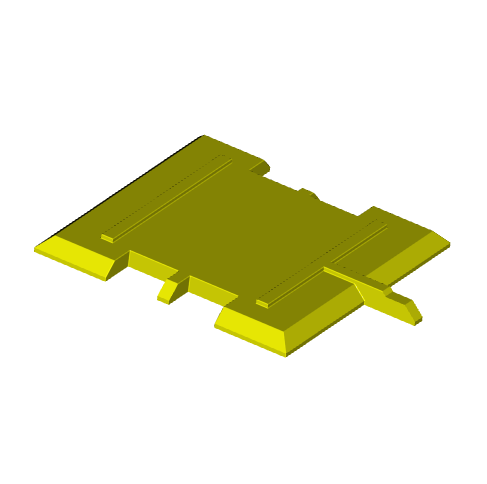
- On the left, a 5-mm-deep groove cleaner
- On the right, an 8-mm-deep groove and frame cleaner
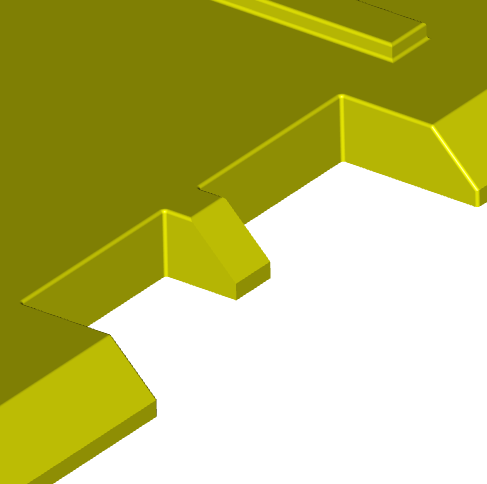
- At the top, a single tooth for all non-standard groove depths, from 0 to 10 mm
- At the bottom and partially on each side, scrapers for the flat surfaces of the frames
- Each cleaning tooth and scraper is chamfered and has a flat scraping surface.
- The tool is designed to allow for the closest possible fit with the side posts of the frames
Lightweight, durable, and ergonomic, our innovative 3D-printable model is the only scraper on the market that allows you to clean the surface and groove of your frames, regardless of their depth, without damaging the wood.
Technical Tips for 3D Printing
We're going to have to bring out the big guns:
- Materials : as hard as possible, with PETG serving as an excellent starting point. ABS, ASA, NYLON, carbon fiber blends, and other state-of-the-art engineering materials are recommended.
- Orientation: On flat ground, no problem
- Support: no
- Filling : What do you think? 100%
- Speed: Slow down—we're in no hurry; it's just a tool. At 60 mm, it only takes 30 minutes.
Our recommendation for choosing filament:
Prototyping and testing were conducted using PETG.
Under actual cleaning conditions, we use scrapers that are also 3D-printed from PETG.
Why?
PETG is significantly harder, stiffer, and less prone to scratches than HDPE (High-Density Polyethylene), which is used for the bottoms of Nicot hives. On the other hand, HDPE offers better impact resistance due to its ability to deform without breaking.
In conclusion, for normal use, PETG will work perfectly well until the unfortunate—though not always fatal—encounter with a sharp object or a staple that pierces the groove. If that were to happen and the damage isn’t too severe, a quick file will do the trick; otherwise, print several in advance. At Apiobi, downloads are unlimited!
Reviews
There are no reviews yet.
Only logged-in customers who have purchased this product can leave a review.
Questions & Technical Discussions
Vous devez être connecté ou inscrit pour poser une question.
You might also like
-
T-shaped door retainer for motorhomes and recreational vehicles | Arrowhead door check
-
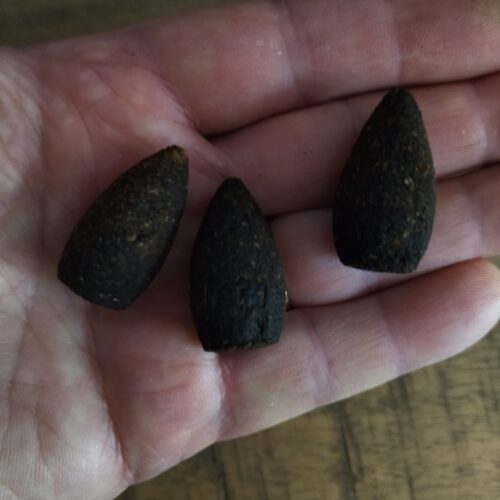
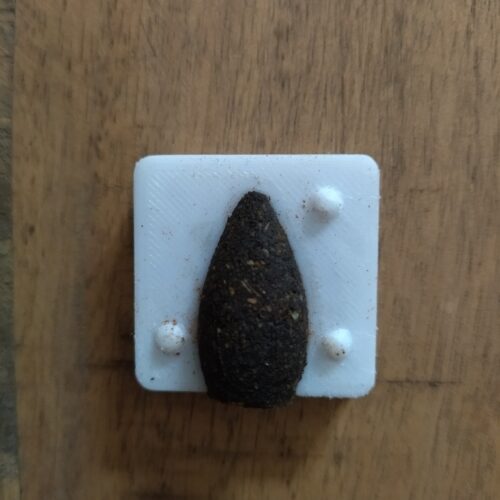
Backflow incense cone mold
-
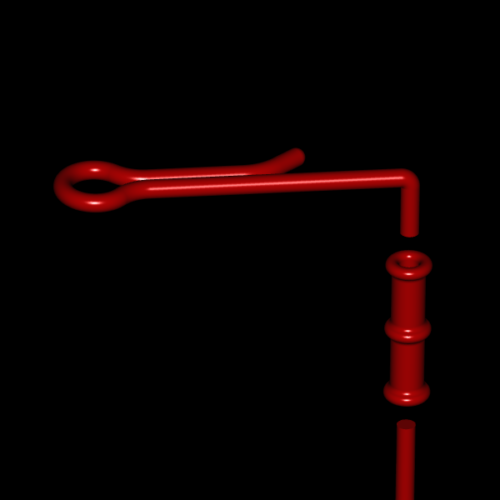
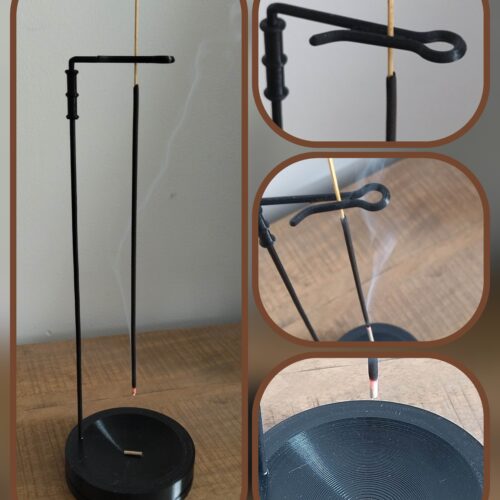
Incense stick holder and ash pan holder | Deco incense stick burner‘
-
End cap, bike carrier end cap Fiamma - Durable replacement for motorhomes, vans and recreational vehicles
-
Safety joints for teddy bears, dolls, amigurumi | diameter 15 mm
-
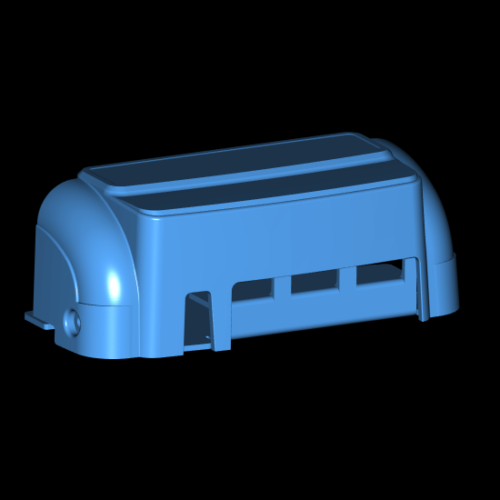
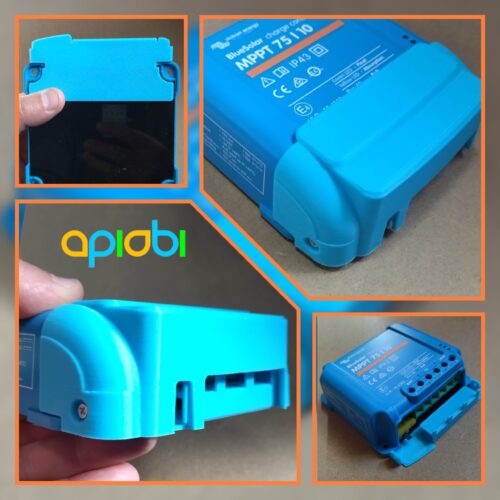
Protective housing for Victron Energy MPPT 75 | 10 & 75 | 15 - Solar charge controller BlueSolar / SmartSolar
-
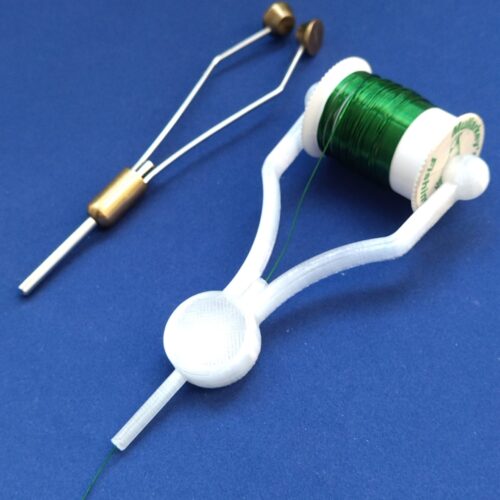
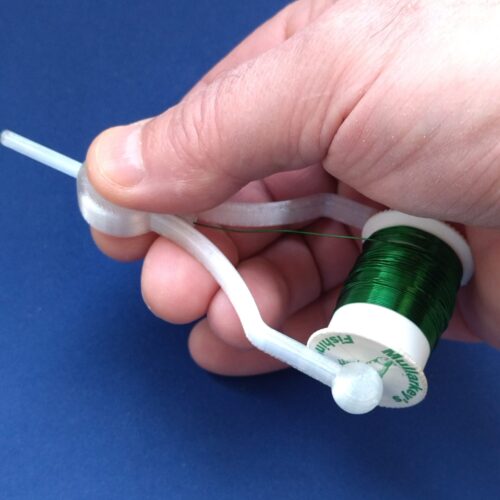
MAX reinforced fly tying/streamer bobbin holder - FTBD2
-
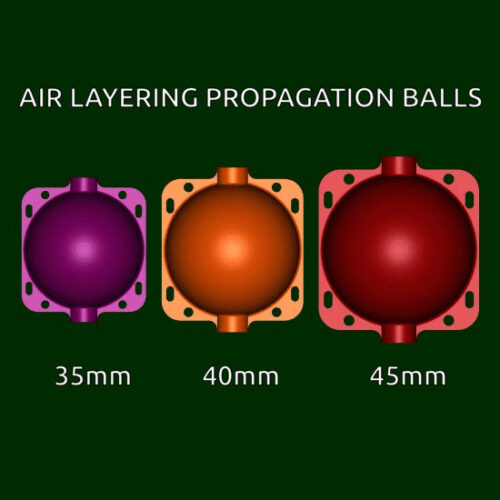
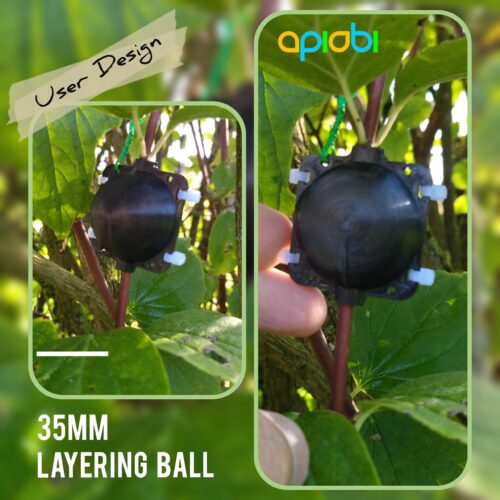
Set of 3 Air Layering Balls - SMALL - Sizes 35-40-45 mm | Air Layering Balls
-
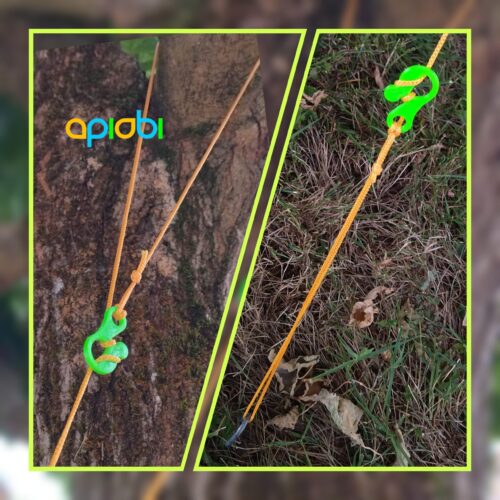
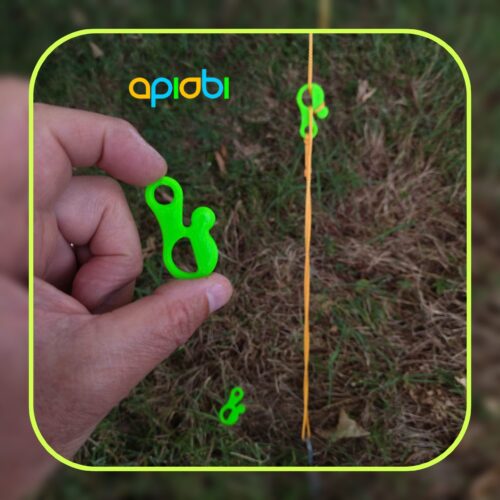
Rope Tensioner Clip | 3D Rope Clip for Camping, Fishing, Outdoor Activities, and RV Use | RTC002
-
Set of 3 Air Layering Balls | LARGE - Sizes 60mm - 80mm - 100 mm | Air Layering Balls
 Français
  English
  Español
Aucune question pour le moment.