
🏆 PREMIUM 3D models | ⚙️ Functional equipment | 📉 Low prices without intermediaries |🚀 Fast download without viruses |🔒 Secure payment | 🛟 Tips and Tricks from the Designer
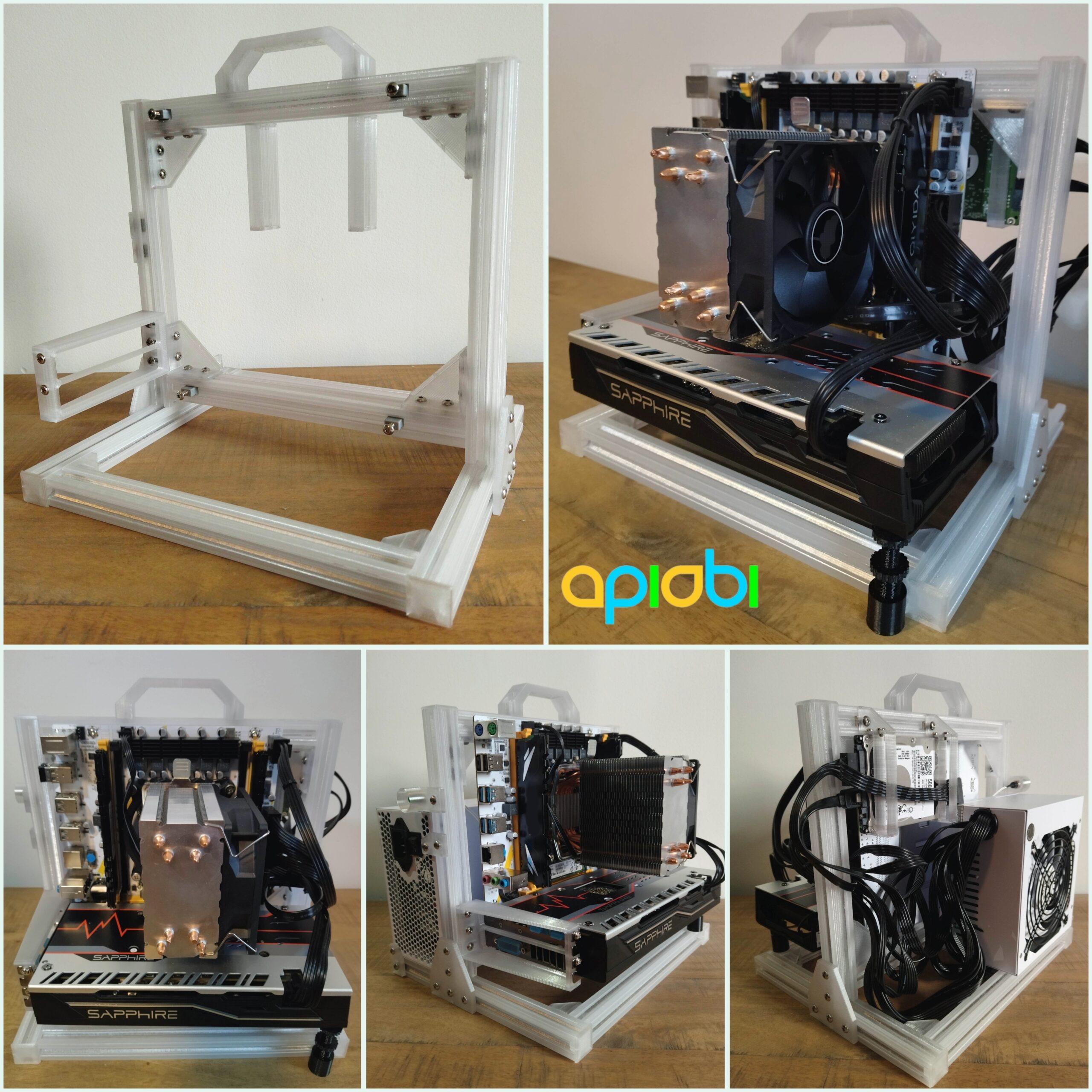
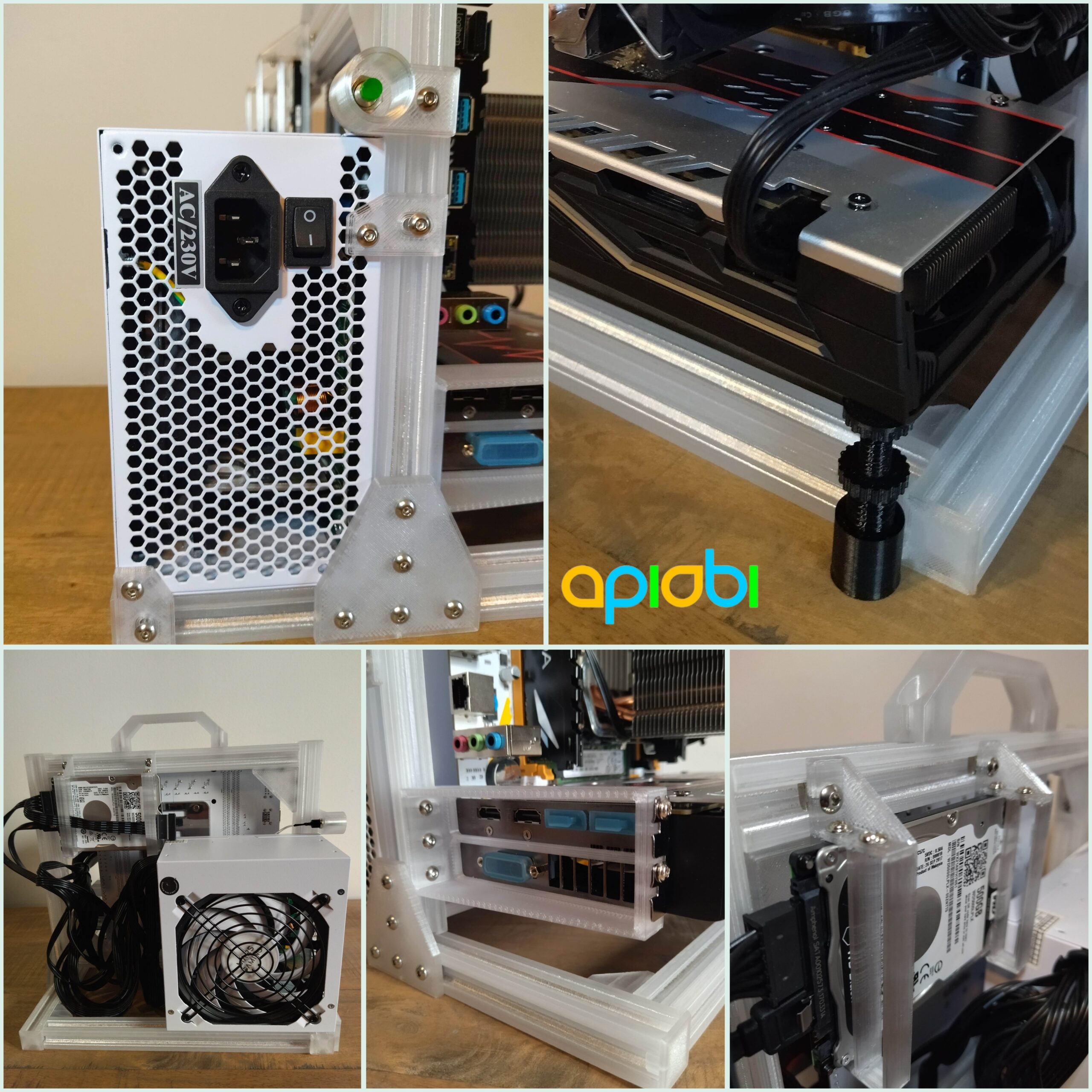
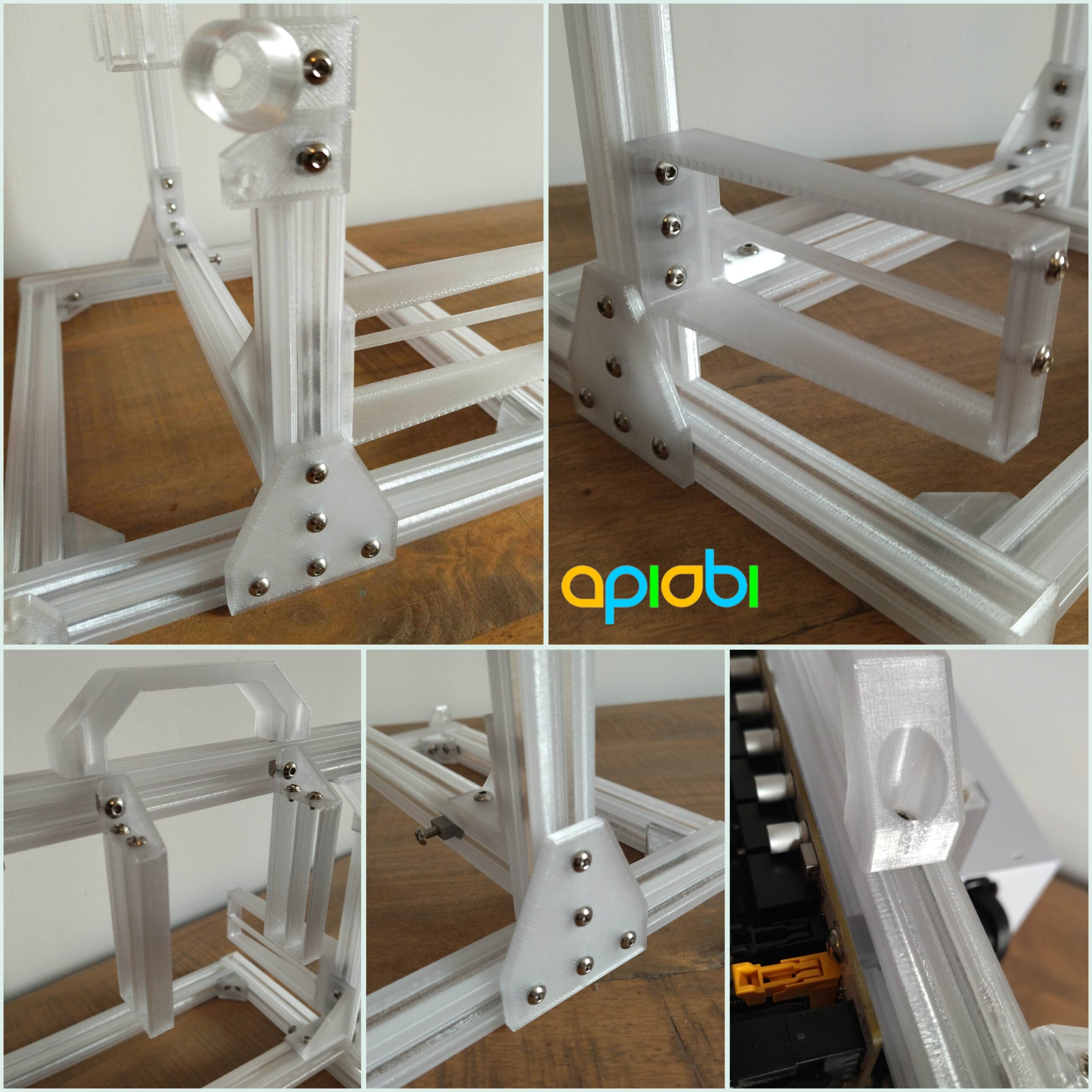
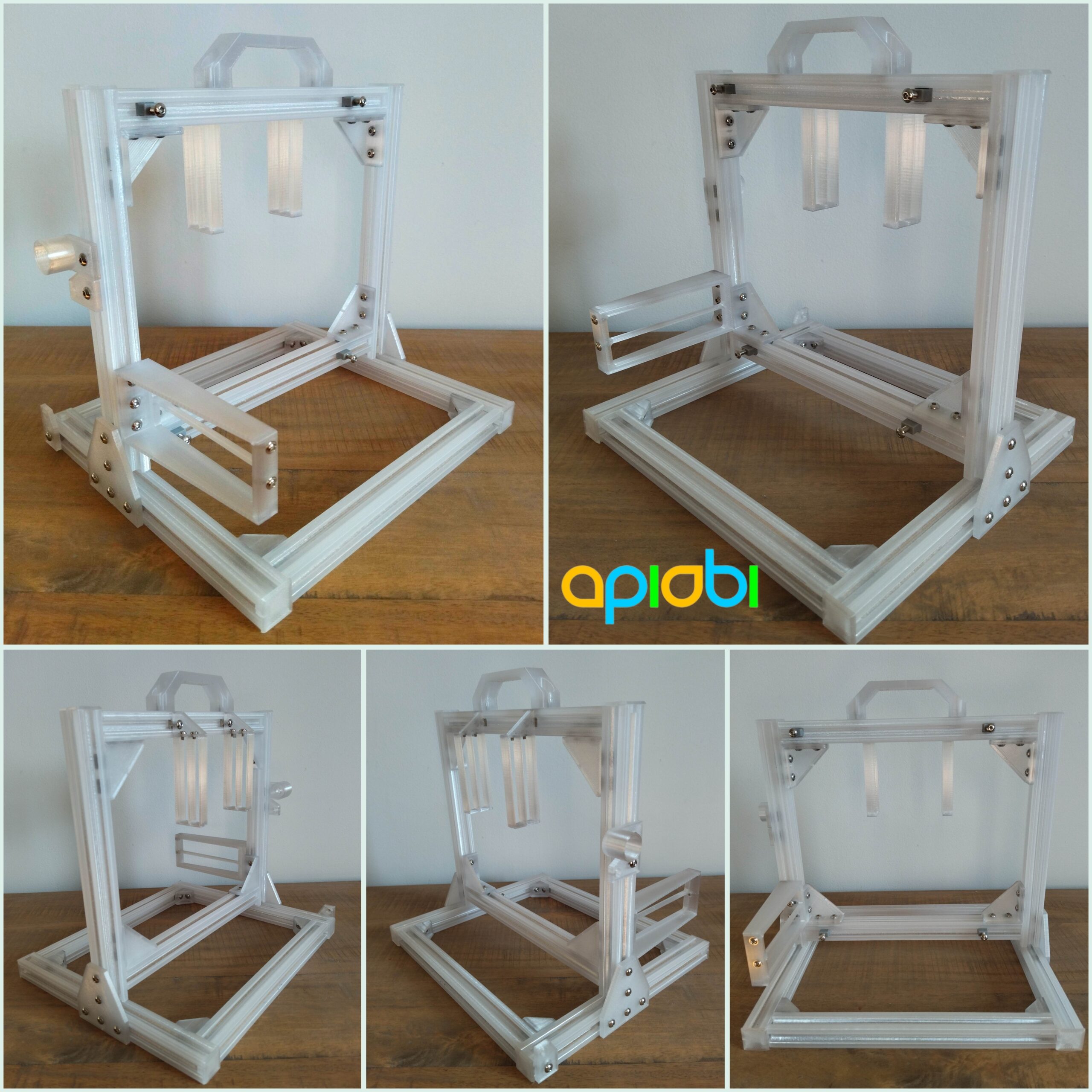
Complete chassis kit for open PC T-slot 2020
Build your own open-air PC case with fully 3D-printable structural elements, including 2020 T-slot profiles. modular.
🆔 DESIGN NO. : 987
⚙︎ Formats : STL
𐊵 Version : 1.0
⦸ No AI - No virus
© License : Apiobi UPPE / Personal and private use only
19,90 €
- Premium quality
- Low prices direct from the designer
- VAT 0% : VAT not applicable, art.293B du CGI
- Secure payments
Description
After nearly two months of prototyping, strength testing and assembly under real-life conditions, every part of this open-air PC case has been refined to offer reliability, aesthetics and true modularity. All components have been designed to integrate seamlessly with standard PC hardware (GPU, power supply, HDD, SSD, power button, etc.), while retaining full compatibility with 2020 T-slot profiles, whether they are 3D printed or standard aluminum.
This project was born of a simple objective: to create a premium open-frame PC housing, fully printable, offering a DIY experience of comparable quality to commercial products costing between €50 and €100, without compromising on assembly quality or usability.
Mission accomplished.
Designed for T-slot 2020 profiles
All parts are designed around the geometry of the Standard 2020 T-slot profiles. Although printed PETG (or similar materials) does not match the structural rigidity of aluminum, it remains perfectly suited to this type of open-air housing, where mechanical stresses remain low and stability depends mainly on the overall chassis design rather than extreme load resistance.
Once assembled, the structure offers excellent rigidity for everyday PC use, including gaming and workstations.
All you need is screw M4 × 10 mm all holes, threads and anchoring points are dimensioned for reliable M4 fastening.
The choice of M4 is the best compromise between M3 and M5, and works perfectly with 2020 and M5 profiles. prints cleanly with a standard 0.4 mm nozzle.
Scalable and modifiable
With the 3D files supplied, you can easily adapt or enlarge the chassis for other motherboard formats (ITX, ATX) or even reuse certain parts for DIY 3D printer improvements or other personalized projects.
2020 profiles from 23 cm visible in the photos correspond to the practical height limit (Z axis) for most 3D printers equipped with a platen 230 × 230 mm.
Coincidentally, 23 cm is exactly the length required for a mATX motherboard format.
Why €19.90 is a bargain
This STL pack allows you to build a fully functional mATX open-air PC case with 12 fully 3D printable parts.
Consider this:
- A comparable mATX open-air PC enclosure usually costs between €35 and €100 in the trade.
- With this pack, you save money and delivery costs, while keeping total control on materials, colors and printing parameters.
- The design is modular, optimized for maximum airflow, and fully compatible with 3D-printed 2020 profiles (or aluminum).
- You receive the 12 ready-to-print pieces, designed by Apiobi, including supports for GPU, power supply, storage and power button.
- Once you have the files, you can print as many cases as you like, for personal use.
For 19,90 €, you get a fully customizable premium PC case experience, for a fraction of the price of a physical product.
Perfect for makers, gamers and DIY enthusiasts who want a unique configuration.
Parts included
You are about to download no less than 12 components, all optimized for strength, printability and ease of assembly :
- Profile 2020 «aluminum type» (standard geometry, printable; supplied as a 10 mm segment to be resized in Z in your slicer)
- Cross-junction plate - T
- 90° square with 4 holes
- 2-hole 90° bracket
- GPU bracket holder
- Handle
- Mounting bracket for mini power button
- Mounting bracket for 2 × 2.5″ disks
- Power supply mounting bracket (PSU bracket)
- End cap for profile 2020
- M4 nut for T-slot
- T-slot spacer nut for motherboard mounting
Design choices and voluntary limitations
Create a PC case fully 3D printable required a number of compromises.
This model includes everything needed for standard gaming or workstation configurations, but I've deliberately chose not to design certain more specialized accessories.
For example:
- Dedicated support for cooling modules
- Advanced GPU support system
- A wide range of customized spacers (various lengths and shapes)
- Various mounting options for power buttons (reset, LED HDD, etc.)
These additions would have considerably increased complexity, without serving the main objective: to offer a robust, functional, streamlined and fully 3D printable base, covering standard requirements, yet easy to print, assemble and modify.
The story behind the project
Tired of traditional closed PC cases, I first used these parts to build a Compact steambox PC in 1080p (visible in the photos). Encouraged by the result, I went on to rebuild my professional workstation with this same system, which has made it much more portable.
My next configuration is already planned: a open-air chassis dedicated to retro-gaming, with a focus on classic arcade games.
If you are reading these lines, you have probably your own project in mind.
Have fun building a machine that reflects your style - and feel free to share photos of your creation.
I'd love to see what you come up with.
Technical Tips for 3D Printing
Advice for all components:
- Material : Print in PETG, ABS or any other durable material suitable for your use. PLA is not recommended due to insufficient strength for this type of project.
- Filling : 100 % for all parts to ensure maximum rigidity and stability.
- Layer height : Most parts can be printed in 0.2 mm.
- Exception: Visit T-slot nuts, with M4 threads must be printed with a maximum layer height from 0.12 to 0.16 mm to obtain a precise thread.
- Supports: Not required for any part, unless you wish to support the top of certain holes - but this is optional.
Specific instructions for T-slot 2020 profiles :
- Print profiles vertically to obtain the best dimensional accuracy.
- The 3D model supplied corresponds to a 1 cm segment ; in your slicer, you must enlarge or stretch in height (Z axis) to obtain the desired profile length.
- To prevent the 2020 profile does not peel off or tip over during printing, use a brim or basic reinforcement, recommended to 10 % of profile height.
- Use PETG or ABS, with 100 % filling for maximum rigidity.
These recommendations and your 3D printing experience will enable you to manufacture components solid, precise and perfectly compatible for assembly.
Only logged in customers who have purchased this product may leave a review.
Questions & Technical Discussions
Ask a question about this 3D model
Vous devez être connecté pour poser une question.
Related products
-
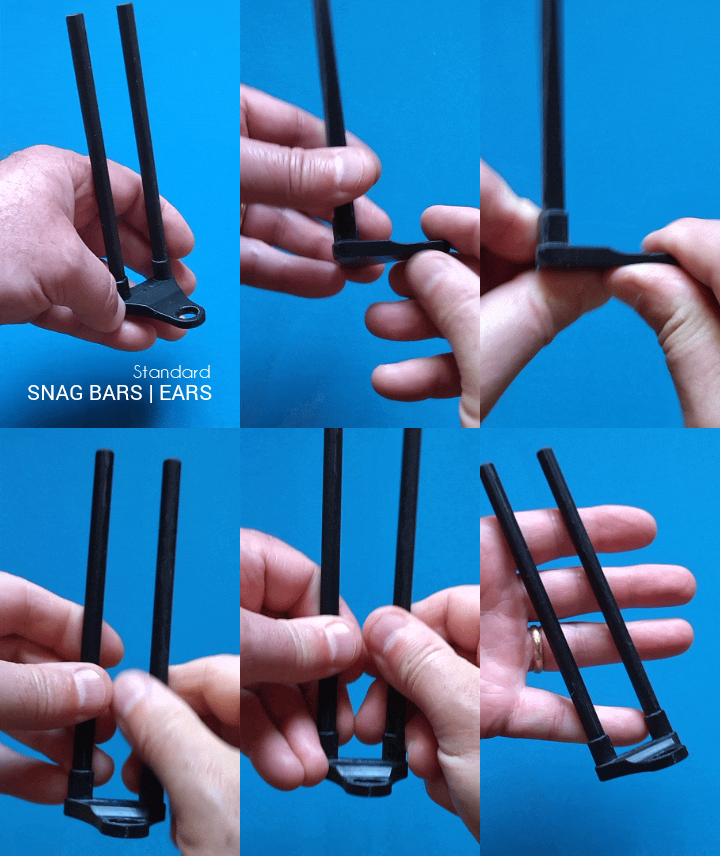
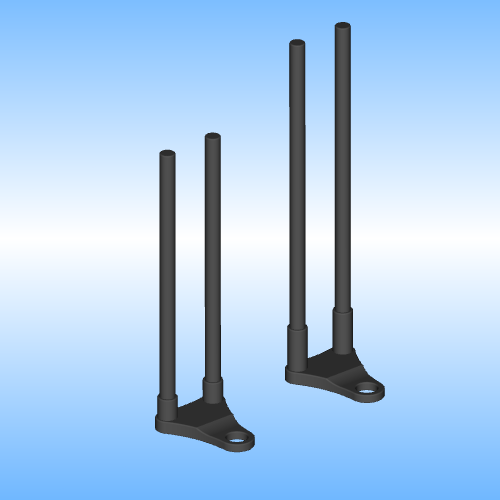
Set of SNAG BAR 135mm and 165mm | Snag Ears | Carp fishing | Print-in-place
-
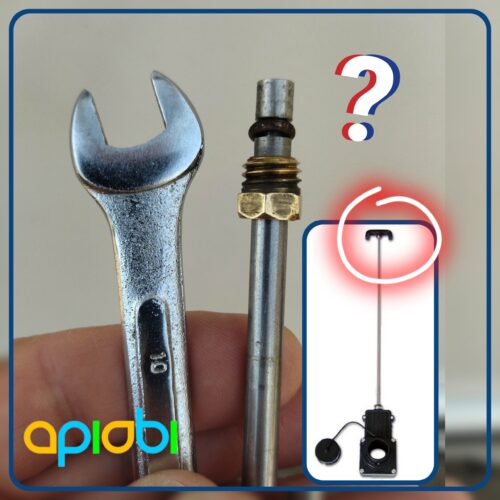
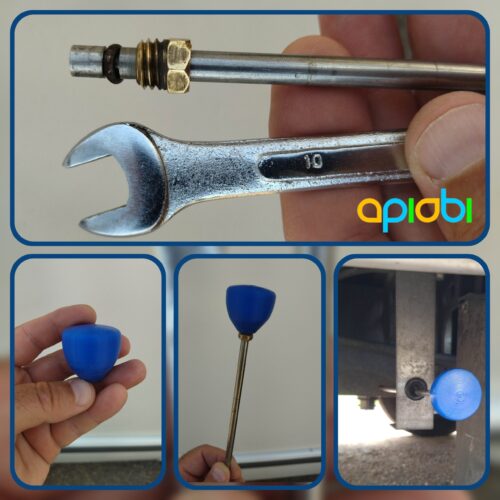
Round handle for knife gate valve FAP | Spare part for waste water tank for motorhome, caravan, van | FAHA001
-
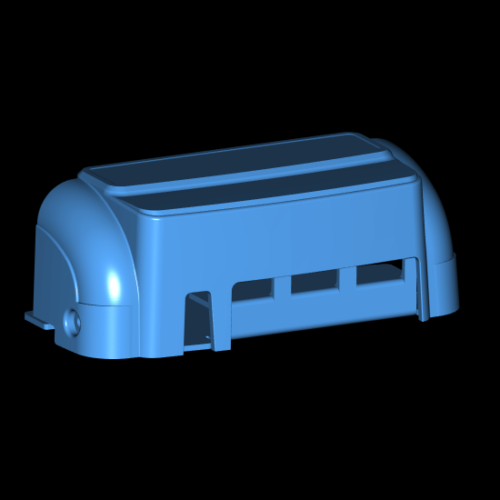
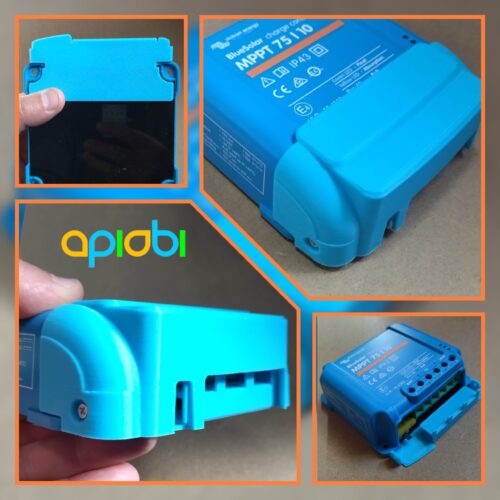
Protective housing for Victron Energy MPPT 75 | 10 & 75 | 15 - Solar charge controller BlueSolar / SmartSolar
-
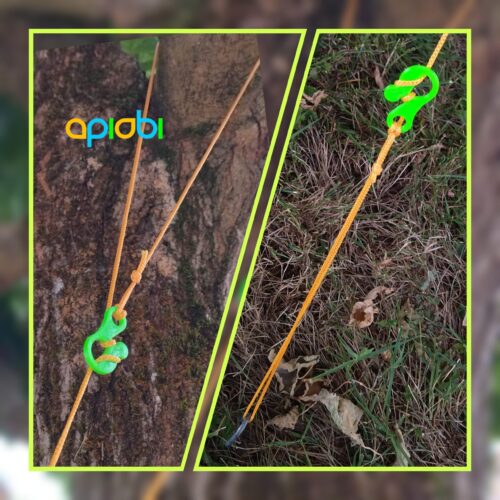
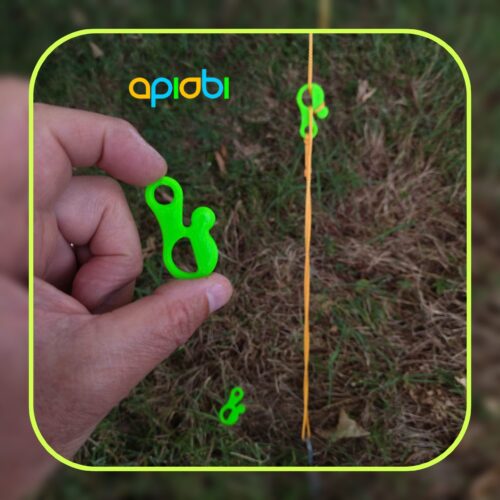
Rope tensioner clip | Rope fastener, optimized design for camping, fishing, outdoor activities, motorhomes and awnings | RTC002
-
Cane holder ‘Lotus’ | LARGE size | 3Dpecheur cane holder
-
Classic door check - Male and female door latch for motorhomes, caravans, recreational vehicles - Spare parts | Bloque, bloc-porte van et fourgon aménagé
-
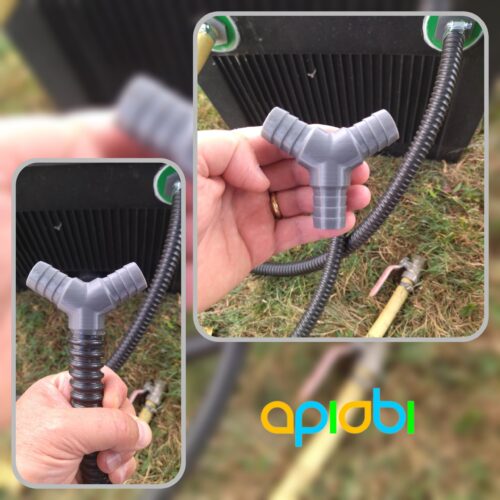
Y-pipe connector diameter 20mm (3/4 inch) | 3-way liquid pipe connector | Y001-20
-
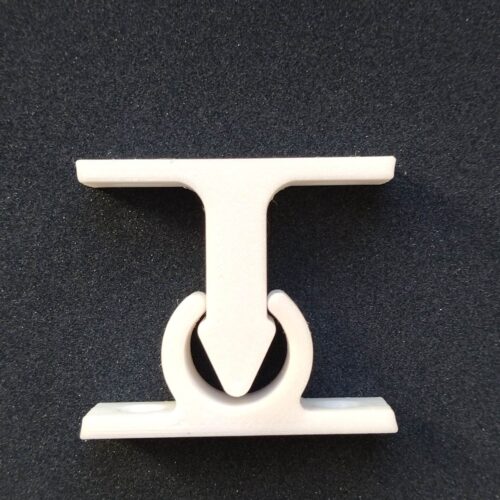
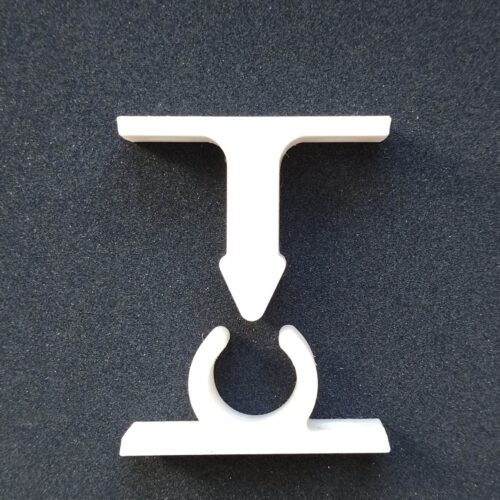
T-shaped door check for motorhomes and recreational vehicles | Arrowhead door check
-
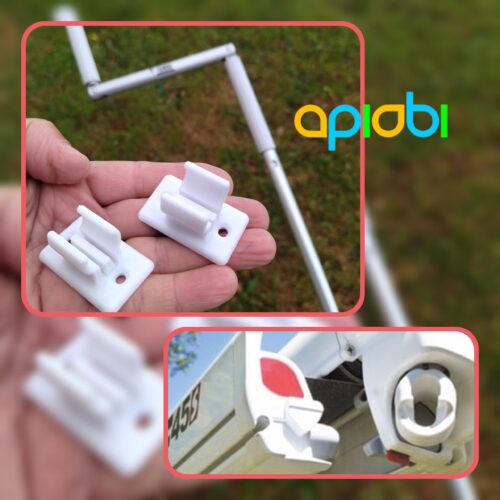
Wall installation kit for FIAMMA awning crank handle | Clips, FIAMMA wall brackets, spare parts for motorhomes
-
Single-hole wall-mounting clip for Fiamma / Thule Ø20 mm crank handle // Camping-car, van, motorhome, clip for domestic awning crank handle
 Français
  English
  Español
Reviews
There are no reviews yet.